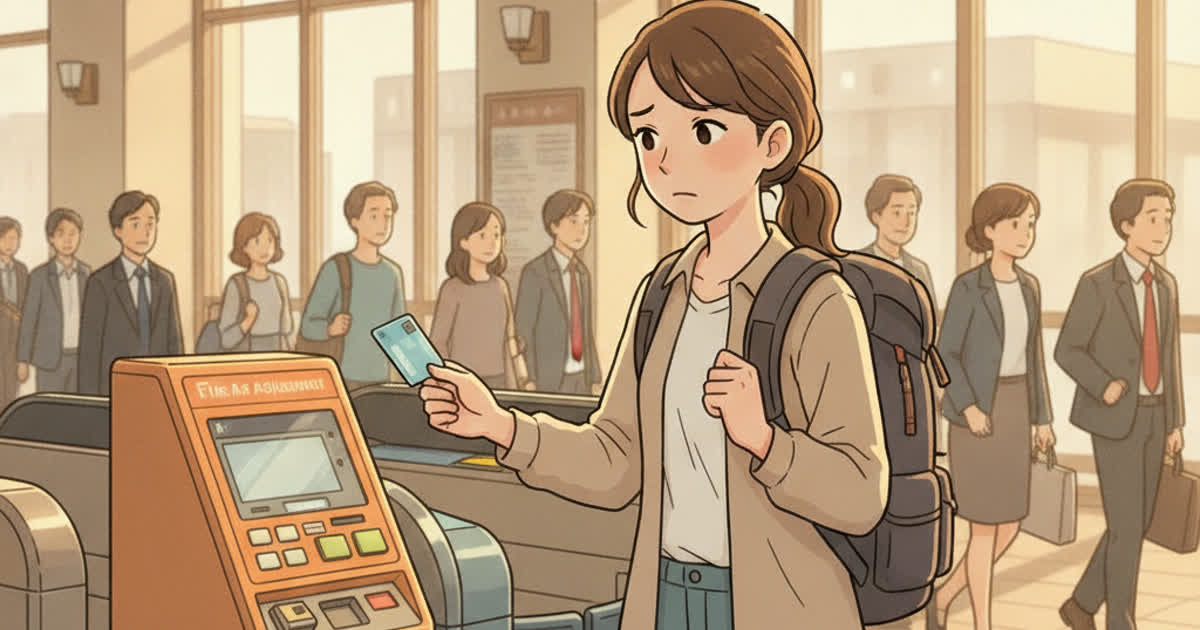
You tap the card you have tapped forty times this week, and this time the gate doors snap shut in front of your knees. The reader turns red, something beeps, and a small screen flashes four characters you have never had to read before. Behind you the queue keeps walking up, because at a Japanese ticket gate everybody moves at the same speed until somebody doesn't. It feels like you have done something wrong. You haven't.
What do you do if your IC card does not have enough balance when you exit a Japanese station?
Use the fare adjustment machine by the gates — that is the whole fix. Step aside so the queue can pass, then look back a few metres from the gate line for a machine labelled 精算機 (seisanki, "fare adjustment machine"), often written のりこし精算機 (norikoshi seisanki) because its other job is settling fares for people who rode past their stop. Insert your Suica, Pasmo or ICOCA, feed in coins or a ¥1,000 note, and the machine either takes the exact shortfall or tops the card up and hands it back ready to tap. The reel above shows the moment in twenty seconds. No fine, no form, no conversation required — a short card at the exit gate is one of the most ordinary things that happens in a Japanese station.
What does 残額不足 (zangaku busoku) mean on a Japanese ticket gate?
It means "insufficient balance": the card read fine, it simply doesn't hold enough to cover what you owe. The word on the screen is 残額不足 (zangaku busoku), because the official IC-card term for the money on a card is 残額 (zangaku, "remaining amount"). That is worth knowing because everyday spoken Japanese uses a different word — 残高 (zandaka) — so staff and passengers say 残高不足 (zandaka busoku) for exactly the same problem. Read the machine's version, say the spoken version, and nobody will blink. Two neighbours on the same screens are worth recognising too: チャージ (chāji, "top up") and 精算 (seisan, "settle the fare"). Every one of these is a compound you will meet again — the same reason one pair of kanji quietly decides what things cost all over Japan.
How do you use a fare adjustment machine in Japan?
Insert the card first and the machine does most of the thinking for you. It reads the card, shows your balance and the fare still owed, and offers two paths: 精算 (seisan) pays only the difference and spits the card straight back, while チャージ or 入金 (chāji / nyūkin, "top up") adds a round amount — ¥1,000 is the usual smallest step, and the slot takes coins as well as notes. Look in a corner of the screen, normally top-right, for an English button; almost every machine built in the last decade has one. Take the card and any change, walk back to the gate, tap, and the doors open. If a machine ever refuses your ¥10,000 note, that is not the card's fault — big notes get rejected by all sorts of Japanese machines, so break one at a konbini early in the day.
Where can you top up a Suica or Pasmo with cash in Japan?
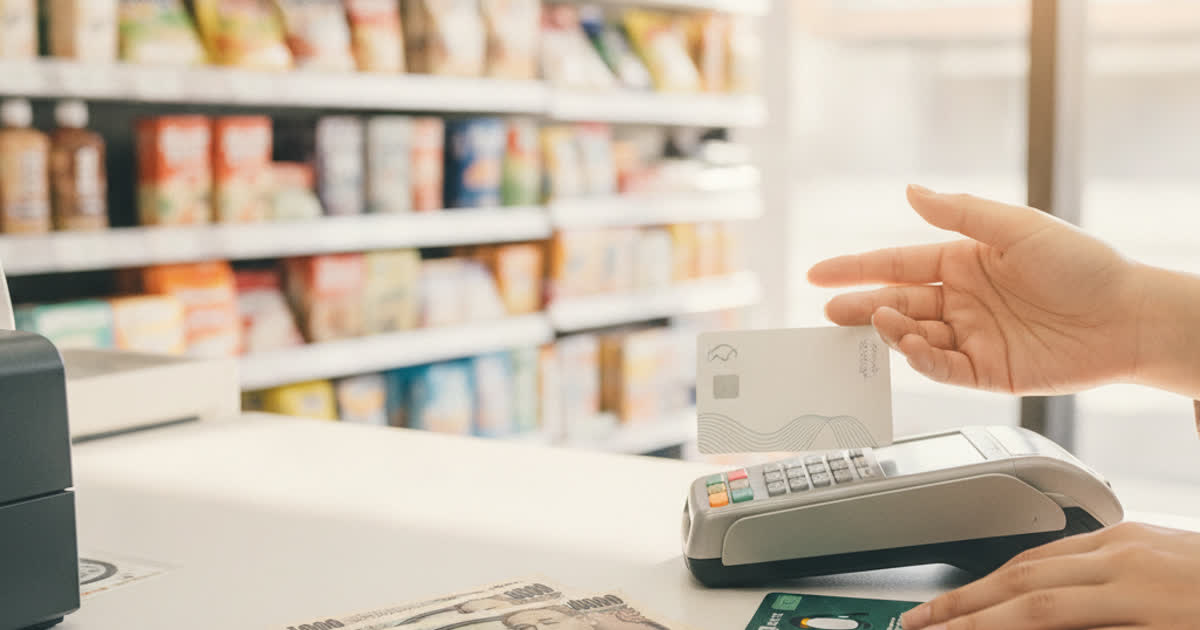
Anywhere you see a ticket machine, and at every convenience store register. Station 券売機 (kenbaiki, ticket machines) all have a チャージ button, the fare adjustment machines by the gates do the same job, and the staffed window will do it by hand. Off the rails, 7-Eleven, FamilyMart and Lawson top up IC cards at the counter — hand the card over and say チャージ、お願いします (chāji, onegai shimasu), which is one of the more useful konbini phrases to have ready. The catch is cash: for a plain plastic card, machines and konbini registers take notes and coins only, so a foreign credit card is no help here even in the shops where cards are otherwise fine. A Suica living in Apple Wallet is the exception — it can often be topped up inside the app with an overseas Visa or Mastercard, and if the card is declined, cash at a machine always works. If you are down to your last coins, the ATMs that reliably accept foreign cards are the ones inside 7-Eleven and the post office.
What do you say to station staff if the gate shuts on you?
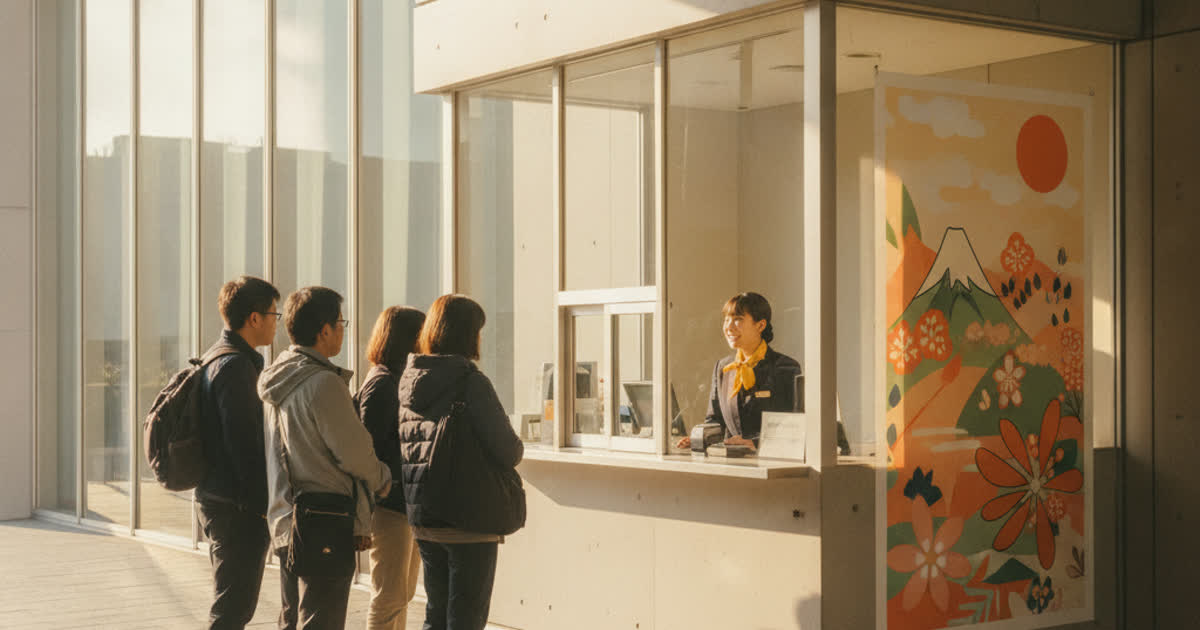
One sentence explains everything: すみません、残額不足です (sumimasen, zangaku busoku desu, "excuse me, my balance is short"). The staffed window sits at the end of the gate line, usually behind glass with a person watching the gates; slide the card and your cash through together. チャージ、お願いします asks them to top the card up, and 精算、お願いします (seisan, onegai shimasu) asks them to settle just this journey. If the reply comes back faster than you can follow, 初めてなんです (hajimete nan desu, "it's my first time") makes almost any Japanese station attendant slow down and walk you through it. It is the same window and the same script you use when you fall asleep and ride past your stop, so the phrase earns its keep.
Can you be fined in Japan for having too little balance on your IC card?
No — this is not fare evasion and nobody treats it as such. The system logged exactly which gate you entered, so it knows precisely what you owe and simply asks for the difference. Japanese railways do charge a penalty fare for travelling with no valid record at all, such as slipping in behind someone without tapping, which is a different thing entirely from a normal trip that ended a hundred yen short. Pay at the machine or the window and the matter closes. The genuinely awkward version of this is the Shinkansen, where one journey needs two tickets and an IC card alone won't get you through the gate at all.
Why did the gate let you in but not out?
Because the two gates check different things. The entry gate only asks whether the card has money on it; the exit gate calculates the actual fare for the distance you travelled and demands all of it. There is a regional wrinkle worth knowing: on JR East and Pasmo lines around Tokyo the entry gate also insists on at least the minimum fare, so a nearly empty card gets refused on the way in, while ICOCA and the Kansai private railways will generally let you through on almost any positive balance and settle up at the far end. Either way the bill lands at the exit, which is why the shutters catch people when they are tired, carrying bags, and trying to make a connection. Buses run on the same logic in reverse — you tap on and the fare is worked out when you get off at the front.
How much should you keep on your IC card in Japan?
Keep ¥2,000–¥3,000 loaded and top up whenever it dips under ¥1,000. A single city ride is roughly ¥150–¥400, and once you add a bus, a coin locker and a few konbini coffees, a day of sightseeing quietly eats ¥2,000. The card's ceiling is ¥20,000, so topping up ¥3,000 at a time costs you nothing and removes the problem for a day and a half. The small screen at the gate shows the fare charged and the balance left every time you tap out — glance at it as you walk through, and you will never meet 残額不足 again. If you are riding the same city all day, a one-day pass often beats paying per ride anyway.
The habit is a two-second one: watch the balance on the gate display as you tap out, and top up at the konbini rather than at the gate with a queue behind you. When it does happen, the recovery is 精算機, cash, tap, gone. For the rest of the words that keep a Japanese station moving, start with the essential words for tourists, learn how to ask for directions so you find the machine in the first place, and browse all our travel reels.