Getting lost in an unfamiliar Japanese station or neighborhood is part of the adventure — but one simple sentence pattern can get you unstuck fast. Learn how to ask "where is ___?" and you can find almost anything by just dropping in a place name.
How do you ask "where is" in Japanese?
The magic pattern is a place name followed by "wa doko desu ka?" — pronounced "wah doh-koh dess-kah" and meaning "where is ___?" You simply slot the thing you're looking for into the front. The beauty of it is that you only need to memorize one frame and then plug in whatever you need, even if you point at a word on a map or a sign. It's polite, clear, and instantly understood, which makes it one of the highest-value sentences a traveler can carry.
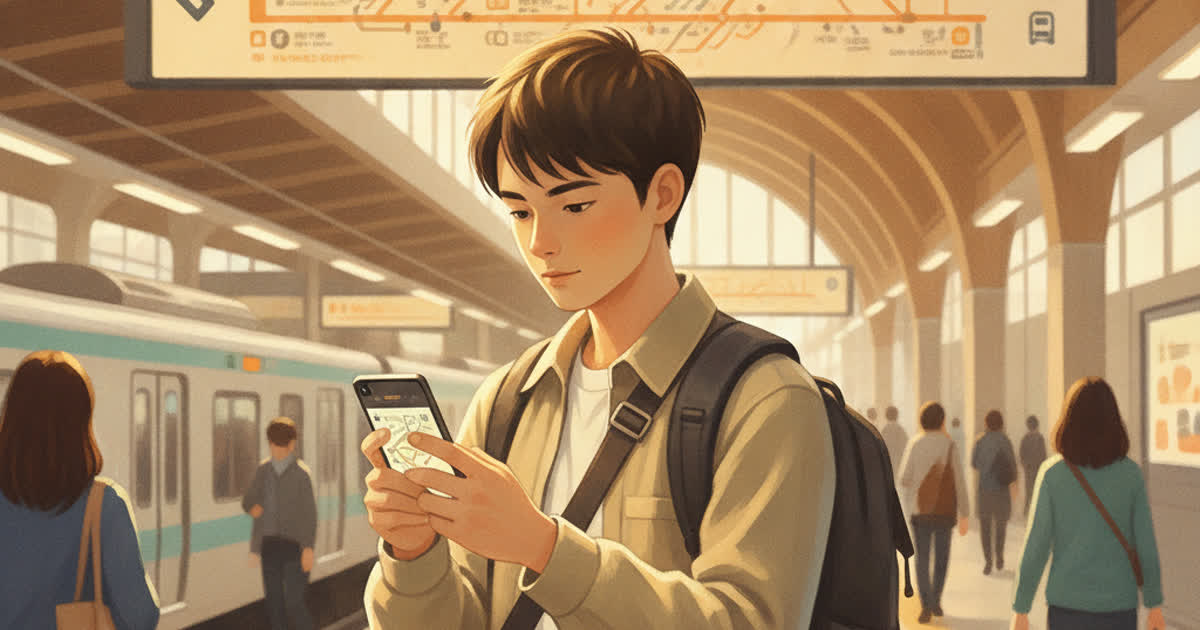
How do you ask where the station or a train line is?
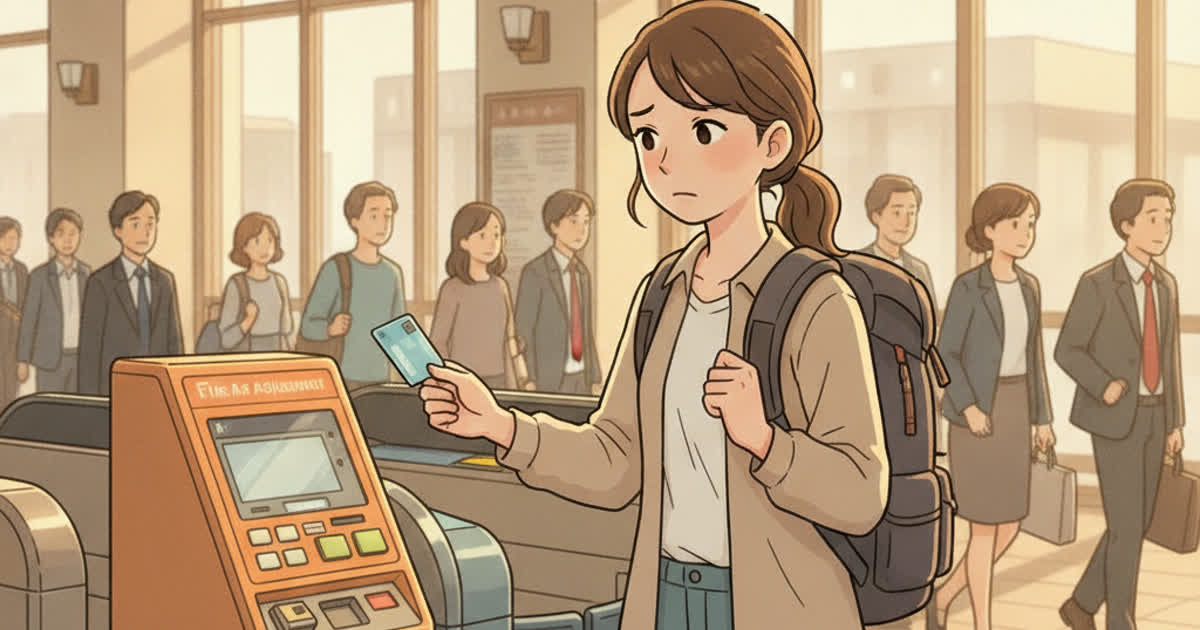
To find a station, say "eki wa doko desu ka?" (where is the station?). For a specific line, use its name plus "-sen," as in "Yamanote-sen wa doko desu ka?" (where is the Yamanote Line?). If you need a particular platform, the word for platform number is "-bansen," so "___-bansen wa doko desu ka?" asks where a numbered platform is. These small variations of the same pattern will cover almost every transit moment you run into.
How do you ask where the bathroom is in Japanese?
This is the one everyone wants: "toire wa doko desu ka?" — "where is the bathroom?" The word toire comes from the English "toilet" and is universally understood across Japan, so you don't need any other vocabulary. Say it to station staff, shop clerks, or restaurant servers and you'll be pointed in the right direction immediately. It's worth committing this exact sentence to memory before you even land.
How do you understand the directions they give back?
Asking is half the battle; understanding the reply is the other half, and a handful of direction words make it manageable. Listen for these:
- migi — right
- hidari — left
- massugu — straight ahead
- asoko — over there (often with a pointed finger)
- tsugi — next (as in the next corner or street)
If the person answers too quickly, just say "mō ichido onegaishimasu" (once more, please) and they'll happily repeat it more slowly. Watching their hands helps as much as catching the words.
What's the polite way to stop someone to ask for help?
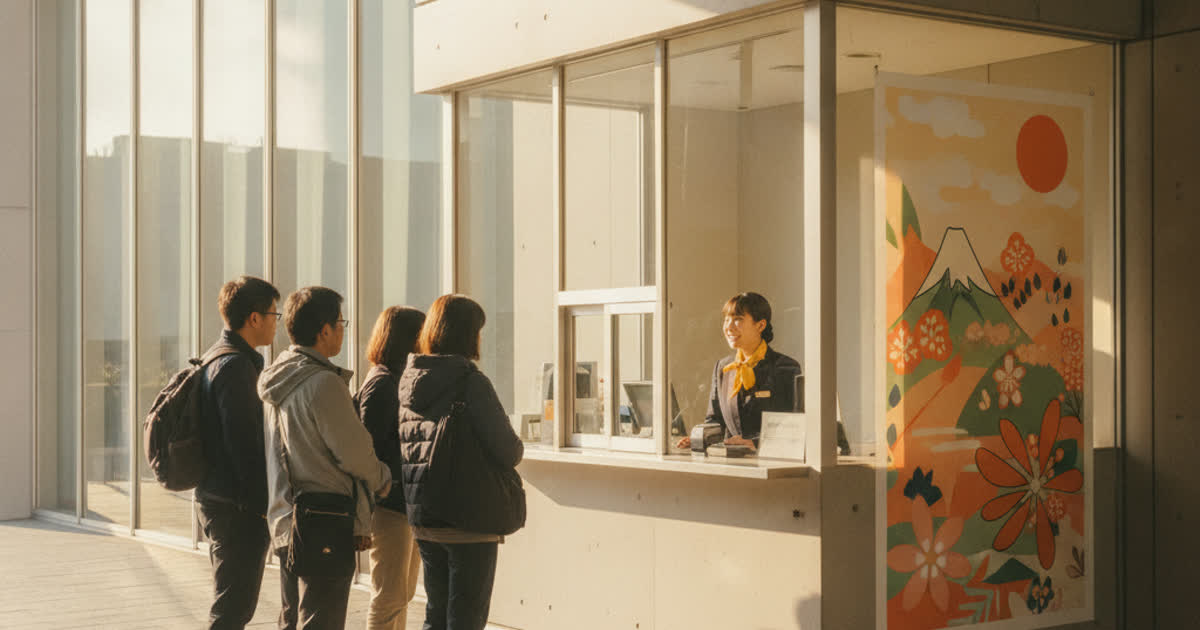
Open with "sumimasen" — "excuse me" — paired with a small nod, and you've made a courteous approach that locals respond to warmly. It's the same versatile word covered in our roundup of the essential words every traveler should know. If you'd rather ask someone whose job is to help, station staff at the green ticket gates and officers at a koban (police box) are used to assisting lost travelers and will go out of their way for you.
Can you get around Japan without speaking Japanese?
Yes — Tokyo, Osaka, and Kyoto all have extensive English signage, and you can navigate the trains and major sights without saying a word. But in a crowded concourse, one spoken phrase plus a bit of pointing almost always beats fumbling with a translation app, and it invites a human to actually help you. Knowing how to ask and how to read the gestured reply turns "lost" into a quick, friendly exchange. You can hear these direction phrases spoken naturally across all the travel reels.