You don't need to study for months before your trip. If you learn just three Japanese words, you can be polite, get help, and show respect almost anywhere you go. Here are the three that do the most work for travelers.
What are the three most important Japanese words for travelers?
The three words that will carry you through almost any situation are sumimasen (excuse me / sorry), onegaishimasu (please), and arigatō gozaimasu (thank you very much). Together they let you get someone's attention, make a polite request, and thank people for their help — which covers the vast majority of everyday interactions in shops, restaurants, stations, and on the street. Master these three and you'll already feel more confident and courteous than most visitors.
What does sumimasen mean and when do you use it?
Sumimasen is the Swiss Army knife of Japanese. It means both "excuse me" and "sorry," so you use it to call a server over in a restaurant, to squeeze past someone on a packed train, and to apologize if you bump into anyone. Say it with a small nod when you need a stranger's attention, and you'll come across as polite rather than pushy. If you only ever remember one Japanese word, make it this one — it opens almost every interaction smoothly.
When should you say onegaishimasu?
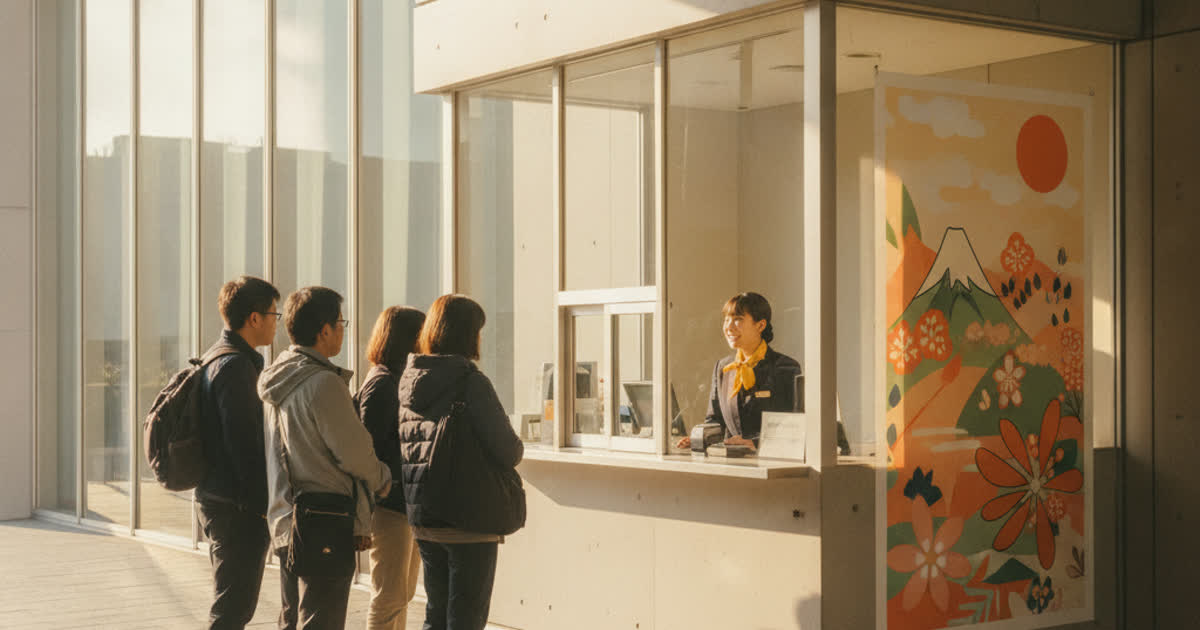
Onegaishimasu is your all-purpose polite "please," and the easiest way to use it is to add it to the end of a request. Point at a menu item or hold up what you want and say "kore onegaishimasu" — literally "this, please" — and you've ordered politely without knowing a single noun. It works at a ticket window, a counter, or anywhere you're asking someone to do something for you. Pair it with pointing and a smile and you can handle most transactions cleanly.
How do you say thank you in Japanese?
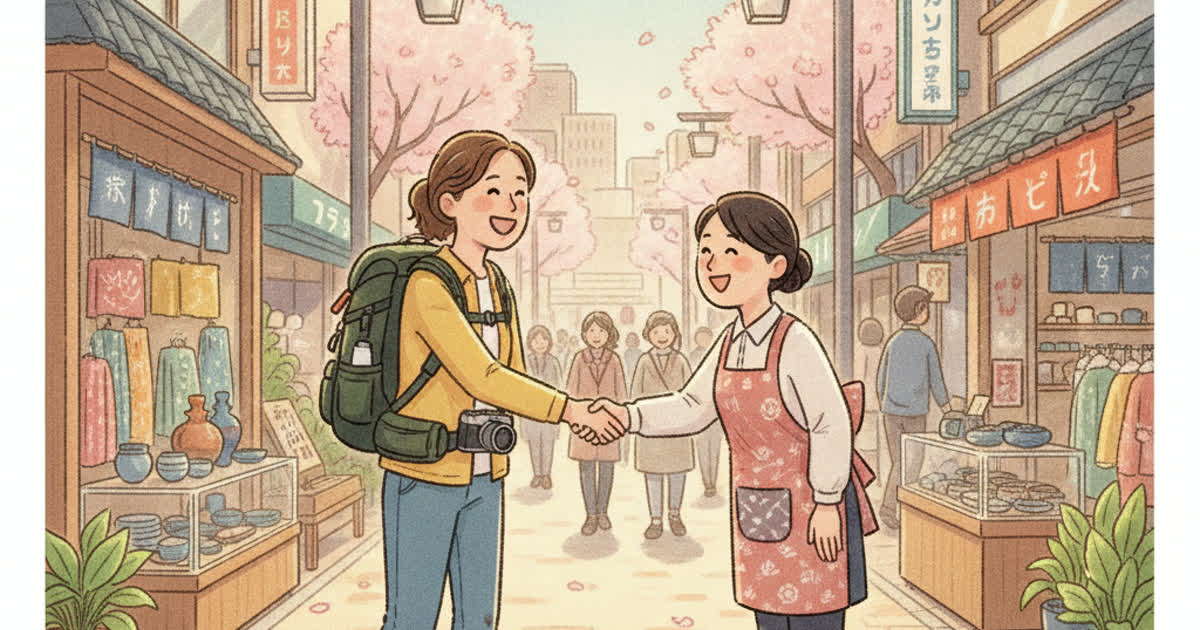
The full, polite version is arigatō gozaimasu, which you'll want to use with shopkeepers, staff, and anyone who helps you out. With friends or in casual moments you can shorten it to just arigatō, and for a quick, light "thanks" — like when someone holds a door — a simple dōmo does the job. When in doubt, the longer arigatō gozaimasu is never wrong and always appreciated.
How do you pronounce these three words?
Japanese pronunciation is forgiving for English speakers because the sounds are clean and even. Say sumimasen as "sue-mee-mah-sen," onegaishimasu as "oh-neh-guy-shee-mahs," and arigatō gozaimasu as "ah-ree-gah-toh go-zye-mahs." One small tip that makes you sound natural: the "u" at the end of a "-masu" word is nearly silent, so it lands closer to "mahs" than "mah-soo." Keep each syllable short and flat and you'll be understood easily. You can hear these spoken at a natural pace across all the travel reels.
Do you need to speak Japanese to travel in Japan?
No — you can absolutely get around Japan without speaking Japanese, especially in big cities where signage and transit information are widely available in English. But knowing even these three words changes the experience: it shows respect, smooths over little moments, and tends to make people more eager to help you. Think of them not as a requirement but as a small kindness that opens doors. A traveler who tries a few words is treated very differently from one who expects everyone to switch to English.
What phrases should you learn after these three?
Once the big three feel natural, add a few practical questions. "___ wa doko desu ka?" means "where is ___?" and is endlessly useful for finding stations, restrooms, and exits — we cover it in depth in our guide to asking for directions. Also worth memorizing are "ikura desu ka?" (how much is it?) and "eigo no menyū wa arimasu ka?" (do you have an English menu?). With these plus your core three, you can navigate, shop, and eat your way across the country with confidence.