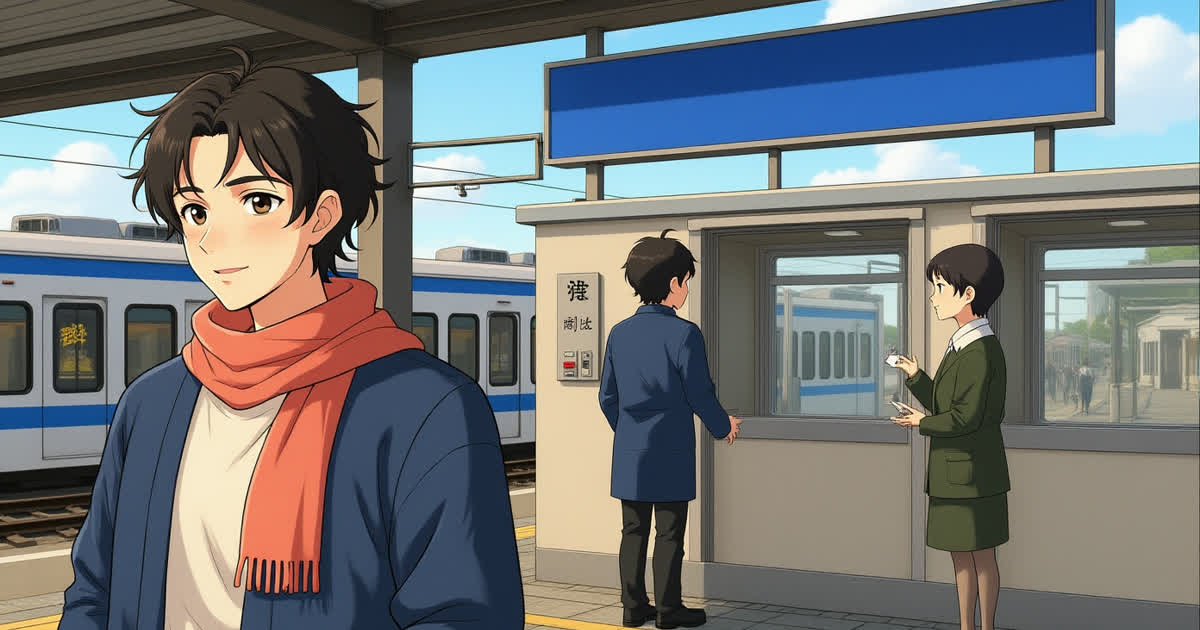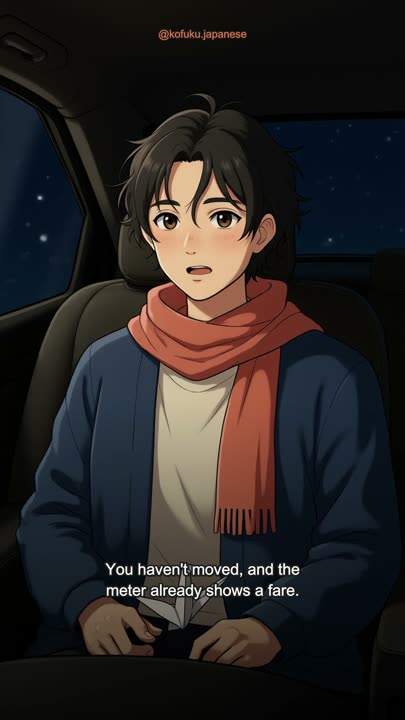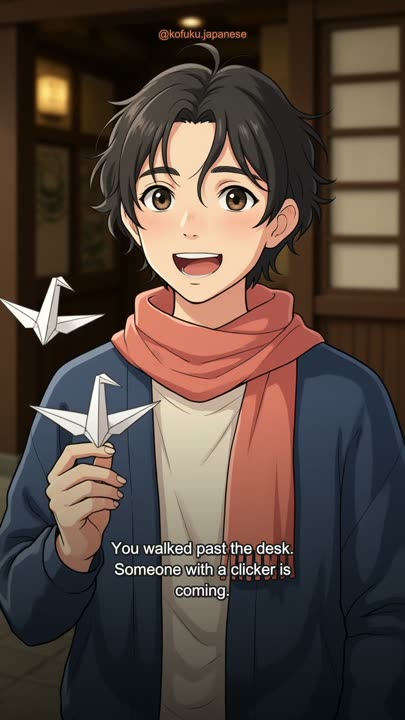
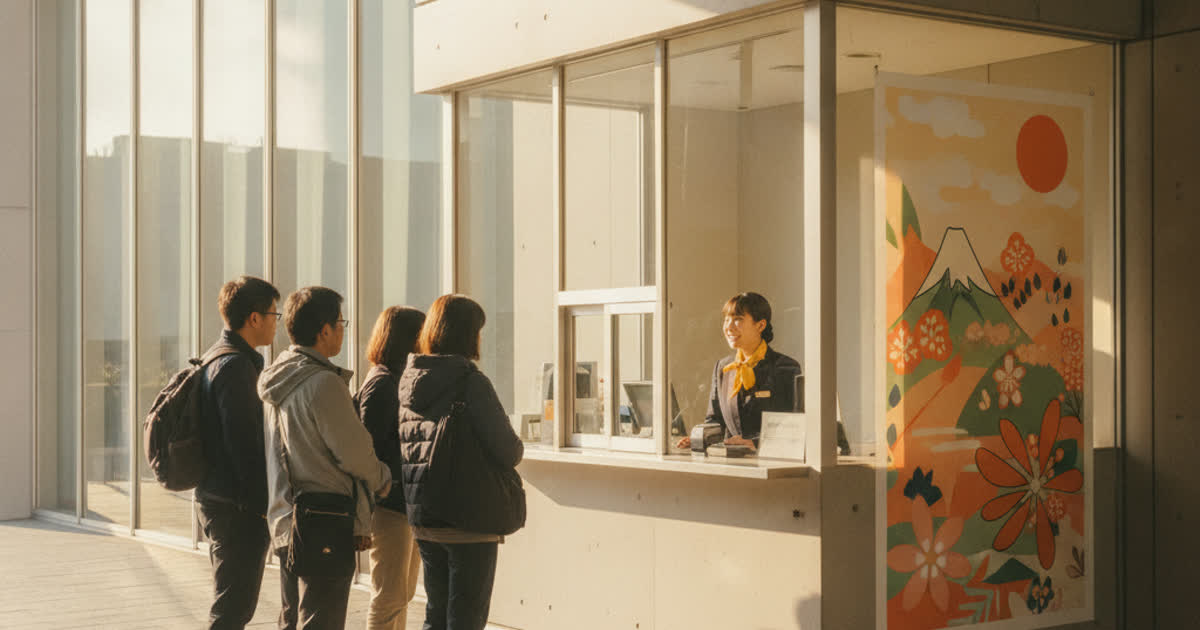
The booking page said sold out three weeks ago, so you wrote the museum off and planned something else. Then you walk past the entrance anyway, and there is a small window beside the main doors with a short line in front of it and four characters on the glass. People are handing over coins and walking straight in. Nothing on the English booking site mentioned this window exists.
If a Japanese attraction is sold out online, can you still get a ticket at the door?
Usually yes — most Japanese museums, aquariums, exhibitions and theme parks hold back a slice of each day's capacity to sell at the venue, and the online allotment selling out says nothing about that slice. The ticket is called a 当日券 (tōjitsuken, "same-day ticket"), and it is a separate pool from the 前売券 (maeuriken, "advance ticket") that the website sells. What the site actually means by "sold out" is that the advance allotment for that date is gone, which is a booking-system fact rather than a building-capacity fact. The reel above shows the window in twenty seconds. The catch is that the same-day pool is small, it opens at a fixed hour, and once it is gone it is gone for the day — so this is a plan you execute in the morning, not a fallback you try at four in the afternoon.
What is a tōjitsuken (当日券)?
A 当日券 is a ticket sold at the venue, on the day, for entry that same day. Japanese ticketing has run on this two-pool split for decades: the 前売券 (maeuriken) goes on sale weeks ahead and is usually a few hundred yen cheaper, and the 当日券 costs full price and is sold from a counter at the entrance from opening time. The pandemic added a third thing on top — the 日時指定券 (nichiji shitei-ken, "date-and-time-designated ticket"), which is the timed-entry slot most English booking pages now sell. When a site shows every slot greyed out, it is the 日時指定 grid that is full. The tōjitsuken counter downstairs is often still running, on its own stock, unaware of any of it.
How do you ask for a same-day ticket in Japanese?
One sentence covers it: 当日券はありますか (tōjitsuken wa arimasu ka, "do you have same-day tickets?"). Say it at the information desk, the gift-shop register, or the entrance staff — anyone in uniform will either point you at the window or tell you it is finished. It is the same 〜はありますか pattern you use for anything you are hunting for in a shop, so it is worth having ready. Two follow-ups are worth memorising as well. 何時から売りますか (nanji kara urimasu ka, "what time do they go on sale?") gets you the release hour, and 大人二枚ください (otona nimai kudasai, "two adult tickets, please") closes the purchase — 枚 (mai) is the counter for flat things, so tickets come in 一枚 (ichimai), 二枚 (nimai), 三枚 (sanmai). If the answer comes back too fast to follow, 初めてなんです (hajimete nan desu, "it's my first time") makes almost any Japanese staff member slow down and walk you through it.
What time should you queue for same-day tickets in Japan?
Be there thirty to sixty minutes before the venue opens, and treat a popular exhibition as ninety. The same-day stock is typically released the moment the doors open and is sold strictly in queue order, so the only variable you control is your position in the line. For an ordinary city museum on a weekday, ten minutes early is genuinely enough. For a blockbuster art exhibition on a weekend, a school holiday, or any day in Obon week, the line forms before staff do. Grand sumo is the extreme version: the venue sells a block of unreserved same-day seats from around 8:00 am and people queue in the dark for them. If you cannot tell whether the crowd you are looking at is the line, ask どこに並びますか (doko ni narabimasu ka, "where do I line up?"), and どのくらい待ちますか (dono kurai machimasu ka) gets you an estimate of the wait.
Where is the same-day ticket window in a Japanese venue?
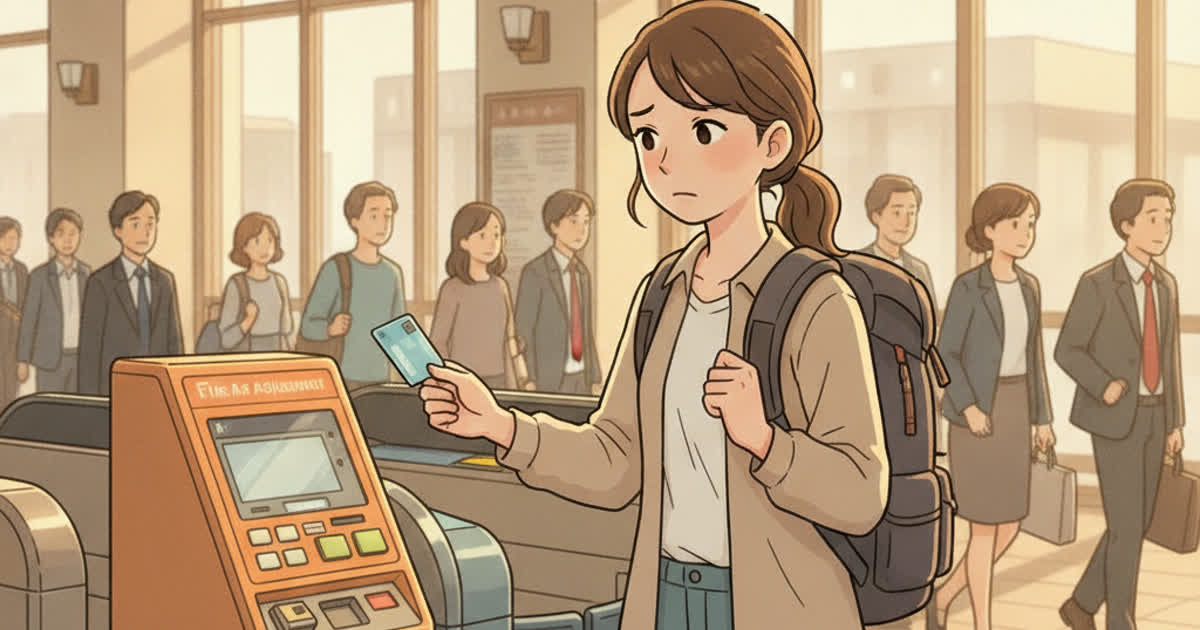
Look for 当日券売り場 (tōjitsuken uriba, "same-day ticket counter") — it is almost never the main entrance you booked online through. It is usually a side window, a folding table under a canopy, or a machine tucked beside the doors, precisely because it serves the people without a QR code. Signs to scan for: チケット売り場 (chiketto uriba, ticket counter), 窓口 (madoguchi, service window) and 受付 (uketsuke, reception). Plenty of venues sell through a touchscreen instead of a person, which works exactly like the ramen ticket machine — pick, pay, take the slip to the gate. If the screen defeats you, 使い方を教えてください (tsukaikata o oshiete kudasai, "please show me how to use it") makes a staff member appear. Bring cash: the same-day window is the single most likely place in a modern Japanese venue to still be coins-and-notes only, even where the main building takes cards.
How do you know when sold out really means sold out?
Two words on the page decide it. 完売 (kanbai) and 売り切れ (urikire) both mean sold out, but the line that matters is 当日券なし (tōjitsuken nashi, "no same-day tickets") or 前売のみ (maeuri nomi, "advance sales only") — that is a venue telling you the second pool does not exist. A handful of Japan's biggest names are in that category by design and you should not plan around a walk-up: the Ghibli Museum in Mitaka and Ghibli Park sell only by advance lottery, Tokyo Disneyland and DisneySea stopped selling tickets at the gate entirely, and teamLab's Tokyo venues run on timed entry that frequently clears out days ahead. Universal Studios Japan and most municipal museums, aquariums and zoos are the opposite and sell at the door every day they are open. When the Japanese page is ambiguous, phone or ask at the desk rather than trusting a translated booking widget — and if the venue is genuinely full, the same instinct that works at a fully booked restaurant works here: ask about cancellations and later slots instead of walking away.
Is a same-day ticket more expensive than an advance ticket in Japan?
Slightly, and the gap is small enough to ignore. A 当日券 typically runs ¥100–¥300 above the 前売券 for a museum or exhibition, and a few hundred yen more for a theme park or a concert; the advance discount exists to help venues forecast crowds, not to punish walk-ups. Where the real cost sits is time, not money — you are trading a guaranteed slot for an early alarm and a queue. So the sensible split is to pre-book the things that genuinely sell out and are miserable to gamble on, and leave the rest to the window on the day.
The habit to build is simple: never let an English booking page be the last word. Walk to the venue, find the 当日券売り場, and ask 当日券はありますか. For the rest of the phrases that get you through a counter in Japan, start with the essential words for tourists, learn how to ask for directions to find the window in the first place, and browse all our travel reels.