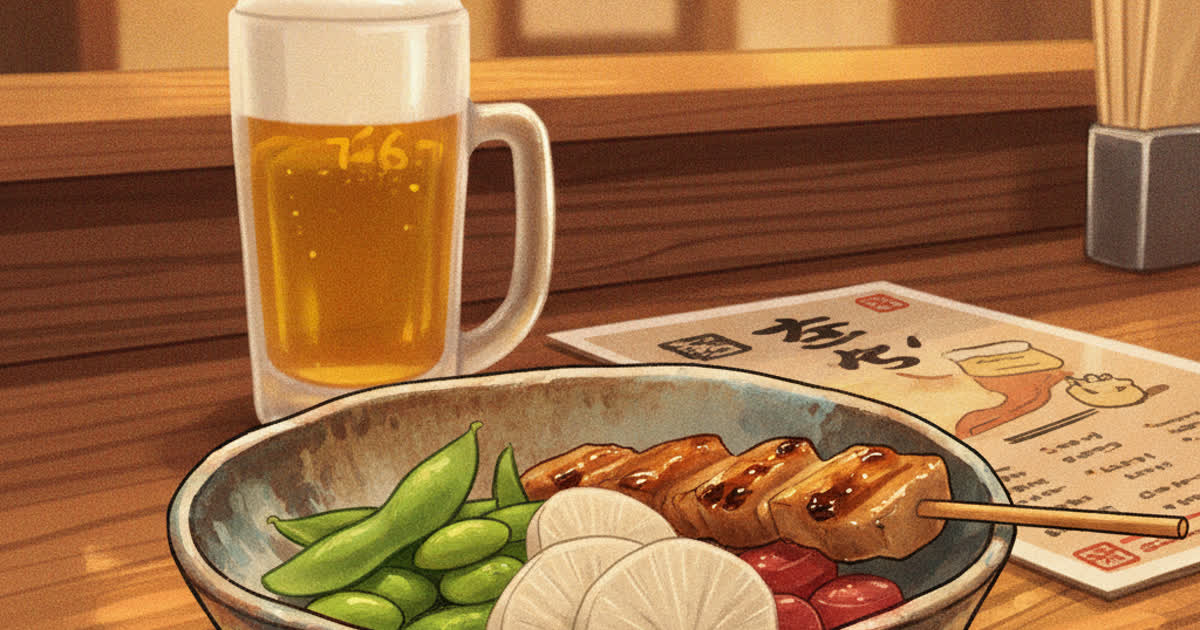
You sit down at your first izakaya, order a beer, and before the beer arrives a tiny bowl lands in front of you. Simmered vegetables, maybe. Squid in a sauce you can't identify. You didn't order it, nobody explained it, and there is one in front of every person at the table. An hour later the bill has a line on it you don't recognise, four hundred yen times however many of you there are, and the evening ends on a small note of suspicion. Nothing went wrong. You met お通し (otōshi).
What is otoshi at a Japanese izakaya?
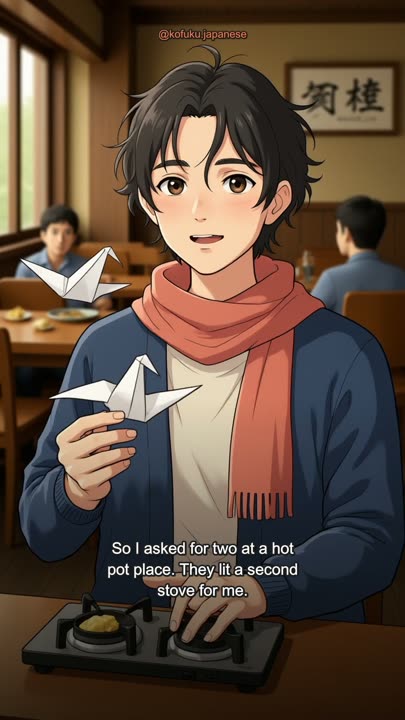
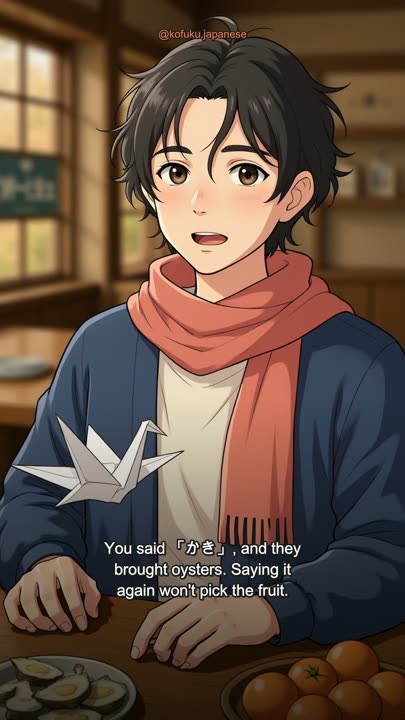
お通し (otōshi) is a small appetiser the kitchen sends out automatically as soon as you sit down and order a drink. You never order it, you can't choose it, and it changes daily — potato salad, marinated squid, simmered root vegetables, a few pickles. What it really is, though, is the receipt for a per-person seating charge: the izakaya bills you a few hundred yen for the table, and rather than charge you for nothing, it hands you food. In Kansai the same custom usually goes by 突き出し (tsukidashi), and in Kyoto you may see it written that way on the bill. The reel above shows the moment it lands.
How much does otoshi cost in Japan?
Budget ¥300–¥500 per person at an ordinary izakaya. Cheap chains sit around ¥200, and a smarter place or a bar in a nightlife district can ask ¥800–¥1,000. The number that catches people out is not the price but the multiplier: otoshi is charged per head, not per table and not per round, so four friends pay it four times before anyone has eaten anything they chose. Snack bars (スナック) are a separate world with seat charges running into thousands of yen — that is not what tourists mean by otoshi, and those bars are best entered knowing the rules. If the menu is silent, ask お通し代はいくらですか (otōshi-dai wa ikura desu ka, "how much is the otoshi charge?").
Is otoshi a scam, or is it legal?
It is legal, and every Japanese customer in the room is paying it too. Japanese consumer rules expect the charge to be disclosed rather than sprung on you, so izakaya print it — on the menu, on a standing card on the table, or on the sign at the entrance — usually as お通し代, 席料 (sekiryō, "seat charge") or チャージ. The reason it feels like a trick is that it is disclosed the way locals expect: quietly, in small type, in Japanese, because everyone already knows. It also isn't a tip in disguise — Japan doesn't tip at all, and no amount on top of the bill is expected from you.
Can you refuse otoshi in Japan?
Sometimes, and the moment to try is when you order your first drink. Say お通しは大丈夫です (otōshi wa daijōbu desu, "I'm fine without the otoshi") as you ask for the draft beer, and some izakaya — chains and younger bars especially — will drop both the dish and the charge. Plenty won't, because the money is rent on the seat rather than payment for the food, so removing the bowl changes nothing on the bill. Ask early, take the answer gracefully, and don't reopen it at the register: the staff member in front of you cannot waive a house charge, and the polite "certainly" you'll hear back is the end of the negotiation.
Which restaurants in Japan charge otoshi and which don't?
Only izakaya and drinking bars charge it. Ramen shops, cafés, curry houses, conveyor-belt sushi, family restaurants, fast food, department-store food halls and every lunch set in the country have no otoshi at all. Standing bars (立ち飲み, tachinomi) usually skip it, big value chains like Torikizoku famously don't charge it, and an all-you-can-eat or all-you-can-drink course normally folds it into the set price. So if you want a night out in Japan with no seat charge on the bill, the choice of shop decides it — not your negotiating skills.
How do you spot the otoshi charge before you sit down?
Look for the words plus a per-person marker: お通し, 突き出し, 席料 or チャージ next to a price and お一人様 / 一名様 (per person). It lives on the sign or plastic menu by the door, on the first or last page of the menu, and often on a small card standing on the table. Photo-translate the fine print if the kanji defeat you, or just ask at the entrance: お通しはありますか (otōshi wa arimasu ka, "is there an otoshi?"). Asking before you take a seat is completely normal. While you're at the door, asking for an English menu saves the next ten minutes as well.
What does otoshi look like on the bill?
It appears as its own line — お通し, 突き出し, 席料 or チャージ — with the unit price multiplied by the number of people, listed before tax. Keep three things apart: otoshi is a flat per-person seat charge; サービス料 (sābisu-ryō, service charge) is a percentage some hotels and smarter restaurants add; and the 10% consumption tax is separate again, because izakaya menus often quote pre-tax prices. None of the three is a tip. When you're ready, ask for the bill with お会計、お願いします (okaikei, onegai shimasu) — and check first that the shop takes cards, because small izakaya are among the last cash-only holdouts.
What if you can't eat the otoshi?
Say so before it arrives, not after. アレルギーがあります (arerugī ga arimasu, "I have an allergy") with the ingredient named, or 肉は食べられません (niku wa taberaremasen, "I can't eat meat"), almost always gets the dish swapped rather than struck from the bill — most izakaya keep a fallback like edamame or pickles for exactly this. Learning how to name your allergy in Japanese is worth the five minutes before any trip. If nothing suitable exists, leave the bowl untouched; nobody minds, and the charge stands either way.
Once you know the word, otoshi stops being a mystery charge and becomes what it is: about the price of a train ride, in exchange for a seat you're going to occupy for three hours. Budget ¥400 a head into the evening, glance at the door sign on the way in, and get on with the fun part — raising the glass at the right moment, asking what the shop recommends, and getting a plate to share from. For the rest of the words that keep a Japanese night out moving, start with the essential words for tourists, learn how to call a waiter over, and browse all our travel reels.