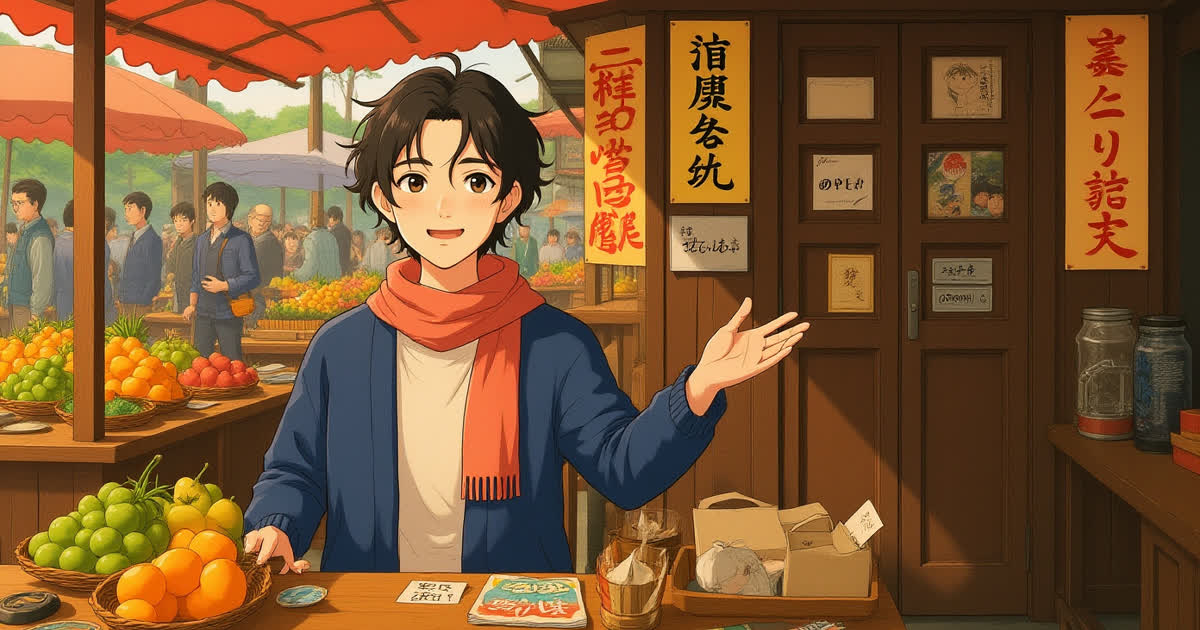
Haggling in Japan trips up travelers the moment they reach for the polite script they use back home. The short answer: usually it does not work, because most Japanese prices are fixed and set in stone. But bargaining is not dead. It survives quietly in a handful of specific settings — open-air markets, street stalls, some electronics dealers, and antique shops — and the key to using it well is knowing which places welcome it and which do not. Here are the four that quietly work, the one polite phrase to make the attempt, and the line past which you should stop.
Can you haggle in Japan?
Usually no. Most Japanese shops, restaurants, taxis and hotel-front desks sell at a fixed price, and asking for a discount there earns you a polite refusal and an awkward moment rather than a sale. Japan runs almost entirely on posted prices — the figure on the tag or the menu is the figure you pay, and there is no one behind the counter with the authority to move it. But the word "usually" matters, because haggling survives in a handful of specific settings where the sticker is effectively a starting point. The skill is knowing which is which before you open your mouth, and it is a simpler read than you might expect.
What are the four places where haggling actually works in Japan?
They are the open-air market, the independent street stall, the small electronics dealer, and the antique shop. At an open-air market — a farmer's market, night market or souvenir bazaar — prices are rarely absolute, and sellers expect a little back-and-forth on fruit, handmade goods and bags. The same is true at an independent street stall, where the person selling you the item is usually the person who set its price. Small electronics dealers and antique shops round out the list: both often mark items high to leave room to talk, especially on used or older goods that have no official price tag. Chain stores, malls, supermarkets and anything with a barcode are not on this list — those are fixed, full stop.
What is the one polite Japanese phrase to ask for a lower price?
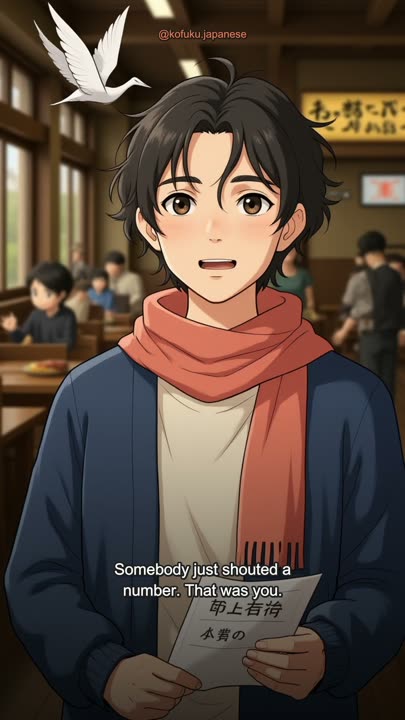
Say もう少し安くなりませんか? (mō sukoshi yasuku narimasen ka), "could it be a little cheaper?" — the exact sentence in the reel above. It is gentle on purpose. The opening もう少し means "a little more," 安 is the word for "cheap," and the ありませんか ending folds the whole thing into an open, polite question rather than a demand. That softness is what makes it work in Japan, where a direct "give me a discount" reads as rude. Deliver it once, with a smile, and let it sit — in the four places that welcome haggling, the phrase alone often nudges the price before you say another word.
How do you haggle politely in Japanese without offending the seller?
Keep it warm, brief and optional. Ask the phrase once as a genuine question — もう少し安くなりませんか? — and never restate it, because a Japanese seller who has said no once will not be moved by a second ask and the repetition is what turns a pleasant exchange sour. If the seller says yes or names a new figure, decide quickly: a round-number counter-offer is the easiest path, or simply accept and thank them. If they say no, smile and say 没关系 (meh-gwan-shi), "no problem," then pay the listed price or walk away gently. Handling the "no" gracefully is the whole game in Japan — it keeps the door open, and sometimes a seller who sees you take a refusal well quietly comes down to your number anyway.
When should you never try to haggle in Japan?
Never haggle where the price is fixed by policy: chain stores, malls, supermarkets, restaurants, cafés, taxis, trains and hotel bookings. There is no markup to bargain against and no one present who can lower it, so an attempt there reads as rude rather than clever. The same applies to anything with a printed price or a barcode, which is your visual shorthand for "this is set." Keep your single attempt for the four settings where it genuinely works — open-air markets, street stalls, some electronics dealers, and antique shops — and never push past a first polite refusal. One gentle ask is charming; a second, third or fourth is simply bad manners anywhere in the country.
How much of a discount can you realistically get in Japan?
Keep your expectations small — typically a few hundred yen, or around 5–10% off a market or antique price. Japanese haggling is a gesture, not a sport: sellers rarely slash prices dramatically, and they expect a modest, friendly reduction rather than a drawn-out negotiation. Aim for a token amount, accept a small yes with a genuine smile, and thank them with 谢谢 (shiatsu). If the price does not move, pay it or walk away — the exchange stays warm either way, and leaving politely costs you nothing. That is the whole etiquette: one question, one modest ask, and a graceful exit.
Haggling in Japan is less about winning a price war and more about reading the room. Ask もう少し安くなりませんか? at an open-air market or an electronics counter, keep one polite attempt, and accept the answer however it lands — a small discount where it works, or a clean and honest price where it does not. While you shop, round out the money side of your trip: check whether you really need cash, which ATMs accept foreign cards if you need yen, and how tax-free shopping works so you keep more of what you save. The essential Japanese words for tourists carry you through the rest of the counter.