Shopping tax-free in Japan is one of the easiest ways to stretch your travel budget, and it's friendlier than it sounds. With a passport in hand and one short phrase, you can knock the 10% consumption tax off plenty of purchases. Here's exactly how it works, what to say, and the few rules worth remembering before you check out.
How do you shop tax-free in Japan?
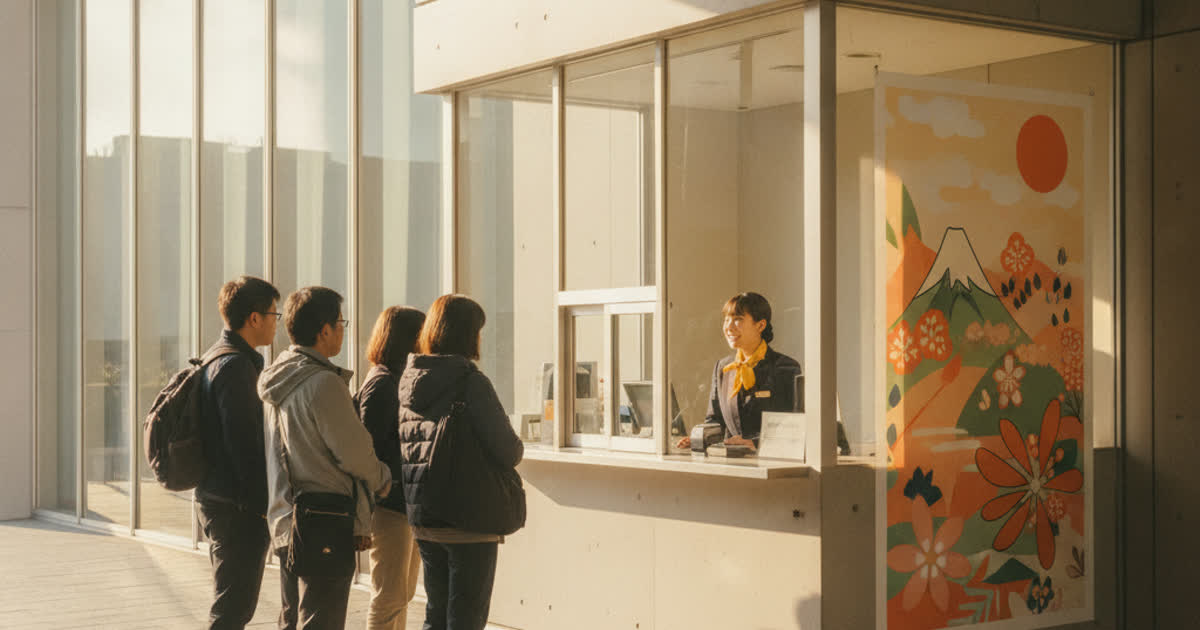
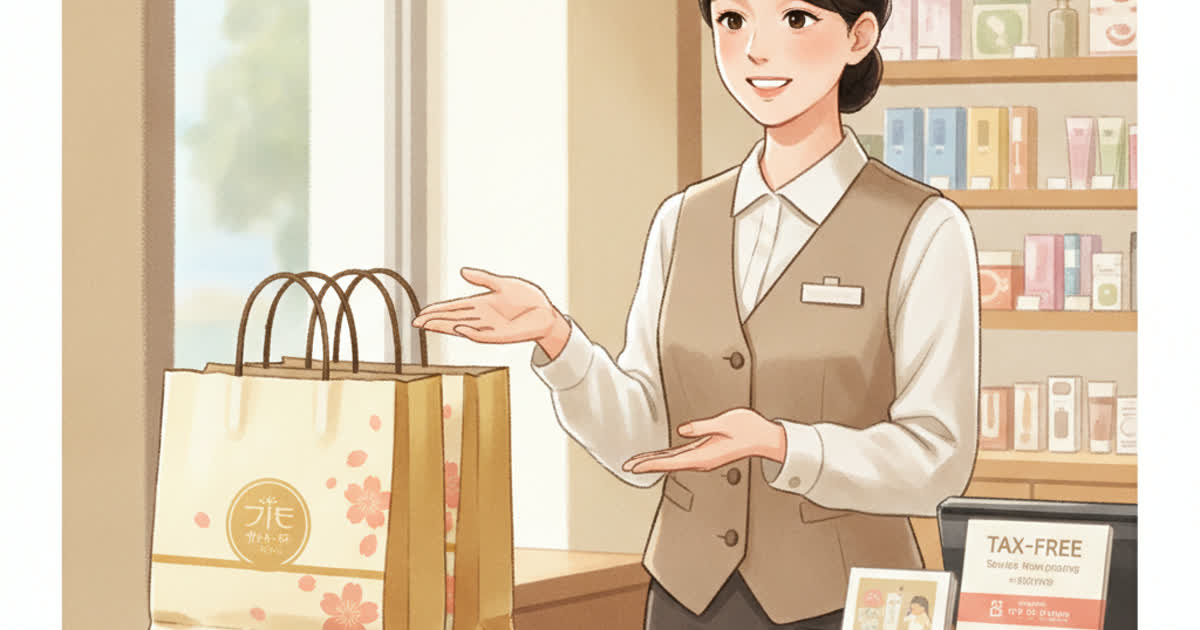
Look for a store displaying the red-and-white "Japan. Tax-free Shop" logo — that sticker tells you the shop is authorized to sell duty-free to visitors. Spend at least ¥5,000 (before tax) in a single day at that one shop, then show your passport at the register or at a dedicated tax-free counter. The staff either remove the 10% consumption tax on the spot or refund it at that counter, so you simply pay the lower, tax-free price. Department stores, big electronics chains, drugstores, and many souvenir shops all participate.
What do you say to get the tax-free discount?
The magic phrase is menzei de onegaishimasu (men-zay deh oh-neh-guy-shee-mahs), which means "tax-free, please." Say it before the staff start ringing you up — once a regular receipt is printed, it can be a hassle to reverse. If your Japanese stops there, no worries: pointing to the tax-free logo and showing your passport gets the message across instantly. For more checkout-counter confidence, see our guide to convenience-store phrases, and you can hear phrases like this spoken aloud in our travel reels.
Who qualifies for tax-free shopping in Japan?
Tax-free shopping is for short-term foreign visitors — anyone who entered Japan on a temporary-visitor stay of under six months. You must show the physical passport you actually entered the country on; a photo of your passport or a residence card won't be accepted. People living in Japan, including foreign residents, don't qualify, since the exemption exists for goods being taken out of the country. As long as you're a tourist passing through, you're in.
What's the minimum purchase for tax-free in Japan?
The threshold is ¥5,000 before tax, spent in one day at one shop. Helpfully, general goods (clothes, electronics, souvenirs) and consumables (food, cosmetics, drinks) currently combine toward that ¥5,000 total, so a mixed basket counts. You don't need to hit the minimum in a single category — just reach ¥5,000 overall at the same store on the same day and ask for menzei.
What do you need to bring for tax-free shopping?
Bring just two things: your actual passport and your payment method. These days the exemption is linked to your passport electronically, so you no longer get a paper slip stapled into it — the record travels with your passport data instead. Even so, hold onto your receipts until you've left Japan, in case you're asked to confirm a purchase at the airport. That's it: passport in, tax off.
Are there rules about using tax-free items in Japan?
Yes, and they're simple. Consumables — snacks, cosmetics, drinks — come sealed in a special bag that you shouldn't open until you've left Japan. All tax-free goods are meant to be taken out of the country, so keep them packed and don't use up the sealed items during your trip. On departure, be ready to show your tax-free purchases at customs if asked. Treat them as "carry-home" goods and you'll sail through with your savings intact.