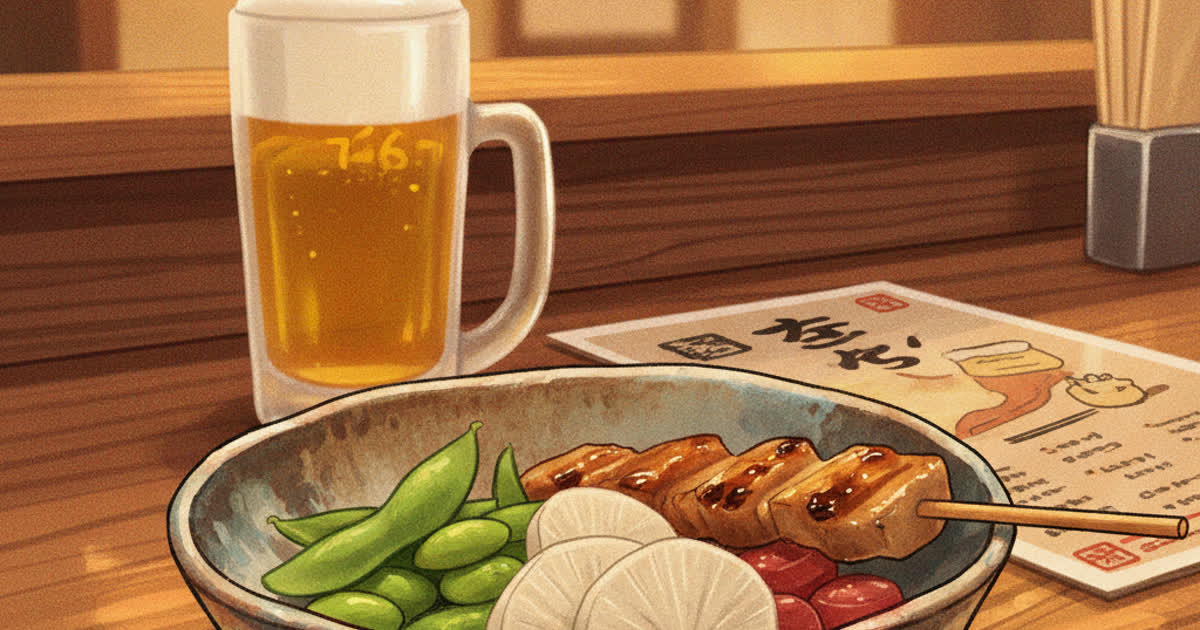
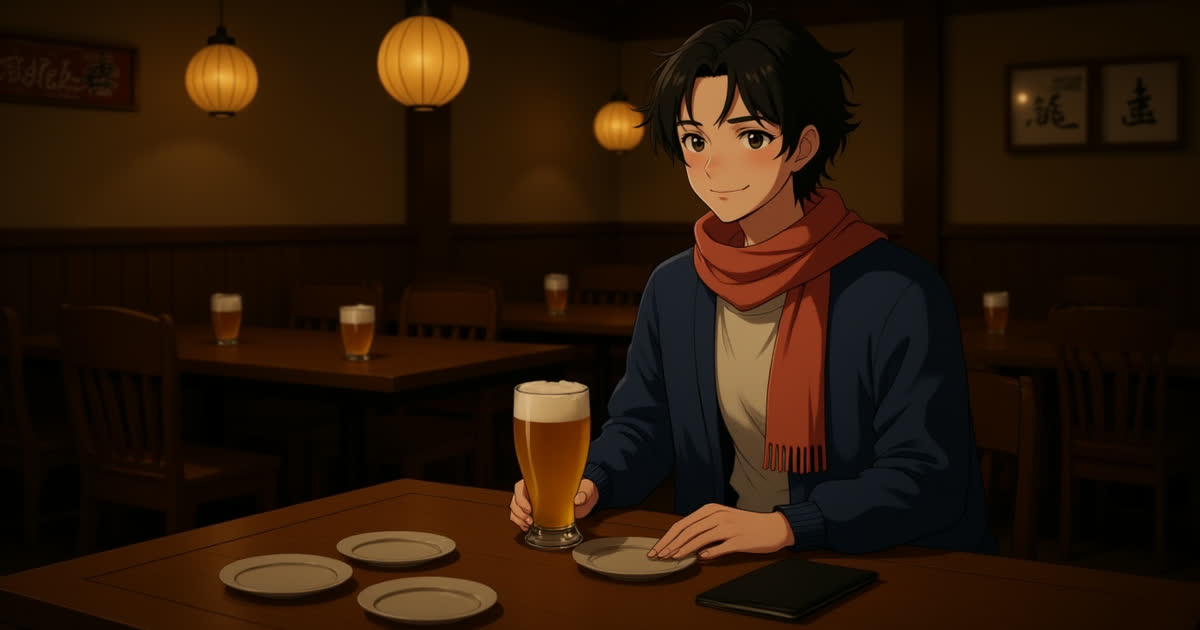
The reel above, published 18 October 2026, is an izakaya table after the last plate. You meant thanks for the meal. The line that came out was ごちそうします. This page is that paying line: what the words claim, how they split from the thanks you wanted, and what to say instead.
What does ごちそうします mean when you meant thanks for the meal?
ごちそうします (gochisō shimasu) means I'll pay; it is my treat. Shogakukan's Digital Daijisen, on Kotobank, checked 24 October 2026, reads 御馳走 as ご‐ちそう and marks it as a noun you can use as a verb with する (suru). Sense 1 is treating someone with care, especially with a meal, and the meal itself. The sample is 鮨をご馳走する (sushi o gochisō suru), to treat someone to sushi. します is the polite form of that verb, so the sentence is a claim about the next step: you will buy. The reel puts it in one line: 「ごちそうします」は、私が払いますという意味です。 (Gochisō shimasu wa, watashi ga haraimasu to iu imi desu.) You write は and you say wa. ごちそうします means I'll pay. The thanks you meant is a different ending on the same start. ごちそうさま (gochisōsama) is that thanks. The paying line is this one. Daijisen's entry for the shorter word 馳走 (chisō), checked the same day, is to run around, to rush about. The feast sense comes from that rush: someone ran to gather the food and to host you. ごちそうします still names that host's move. It does not name the thanks after the plates are empty.
How do you pronounce ごちそうします?
Say go-chi-so-o-shi-ma-su, seven beats: ご, ち, そ, う, し, ま, す. Daijisen's headword is ご‐ちそう. The long ō is the う after そ, and it is its own beat. A short gochiso drops that beat and is not the reading. します is three beats, shi then ma then su. The う in す is often a whisper, and it still counts. There is no か on the end. The line is a statement, not a question. ごちそうしますか (gochisō shimasu ka) adds the question: are you treating? ごちそうしましょうか (gochisō shimashō ka) is the offer: shall I treat you? The reel uses the statement. Menus and signs usually write the word in kana, ごちそう. The kanji form is ご馳走します. Daijisen prints 馳 with a mark that it sits outside the everyday kanji list, so the kana spelling is the one you will hear and say.
How is ごちそうします different from ごちそうさま?
ごちそうします is the paying line. ごちそうさま is the thanks after a meal. Daijisen's ごちそうさま entry, checked 24 October 2026, is an interjection: the greeting you say as thanks for being treated. The Seisen Nihon Kokugo Daijiten, on the same Kotobank page, calls it the words a person who was treated uses, often as the greeting after a meal, and cites 浮世風呂 (Ukiyoburo, 1809–13): 其節はいろいろ御馳走さまになりまして. Both phrases start ごちそう. The endings do the work. します is the verb "I do that treating." さま (sama) turns the feast into a respectful address, the thanks. Daijisen's sample for the verb is the treating side: 鮨をご馳走する. Its sample for receiving is ご馳走になる (gochisō ni naru), to be treated. You were reaching for the receiving greeting. You said the treating verb. The plates can still be empty. The card can still take the whole table.
What do you say if you meant thanks for the meal?
Say ごちそうさまでした (gochisōsama deshita) on the way out. That is nine beats: the six in ごちそうさま, then で, し, た. でした (deshita) puts the thanks in the past, after the plates are empty. At a restaurant the staff cooked and brought the food. The greeting thanks that work. The tipping page already teaches this line as the local stand-in for a tip: no extra money, a clear thanks on the way out. The ごちそうさま reel is that leaving line. Before the first bite the pair is いただきます (itadakimasu), on the itadakimasu reel. Do not repair a mix-up by repeating ごちそうします. If the words already left your mouth, smile, let someone else take the folder, and use ごちそうさまでした at the door. A short ごちそうさま is fine with friends at home. With staff, keep the でした.
What do you say if you actually want to pay?
Say ごちそうします to the people at the table first. The claim is for them. Then call the staff and ask for the check. 私が払います (watashi ga haraimasu) is the same claim in plainer words: I will pay. Among friends the casual verb is おごる (ogoru). 今日はおごります (kyō wa ogorimasu) is I'll treat today. If you want to split, say 割り勘でお願いします (warikan de onegaishimasu). If you want separate checks, say 別々でお願いします (betsubetsu de onegaishimasu). Small izakaya are often cash, so confirm the shop takes cards before you volunteer for the table. To get someone's attention for that check, use the waiter page. If someone else says ごちそうします to you, you are the guest. Accept with ごちそうさまです (gochisōsama desu) or ありがとうございます (arigatō gozaimasu). Decline with いえいえ、大丈夫です (ieie, daijōbu desu), that's all right, or with the split line above. The treating line is between you and the people you ate with. The staff still need the bill request.
How is this different from asking for the bill?
お会計お願いします (o-kaikei onegaishimasu) asks for the check. It does not say who pays. The bill reel is that folder. ごちそうします is the claim that you are treating. You can ask for the check and still split. You can treat and still need the folder. The izakaya ordering page is the tablet, the QR code, or the ticket, for when nobody comes to take the order. The otoshi page is the per-person starter that already sits on the bill. None of those lines volunteer your card for everyone else's drinks. The reel's last warning is the same as this page's: if you are not buying, do not say ごちそうします. Smile, and let someone else take the check.
ごちそうします means I'll pay; it is my treat. The thanks you meant is ごちそうさまでした. The short reel is the mix-up at the table.