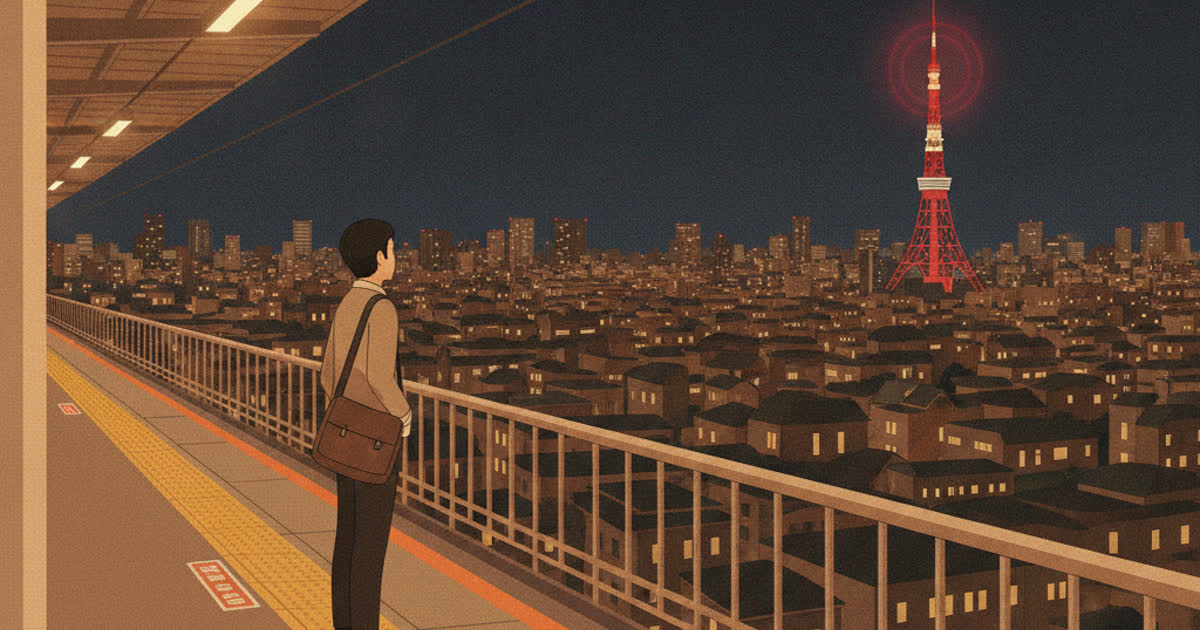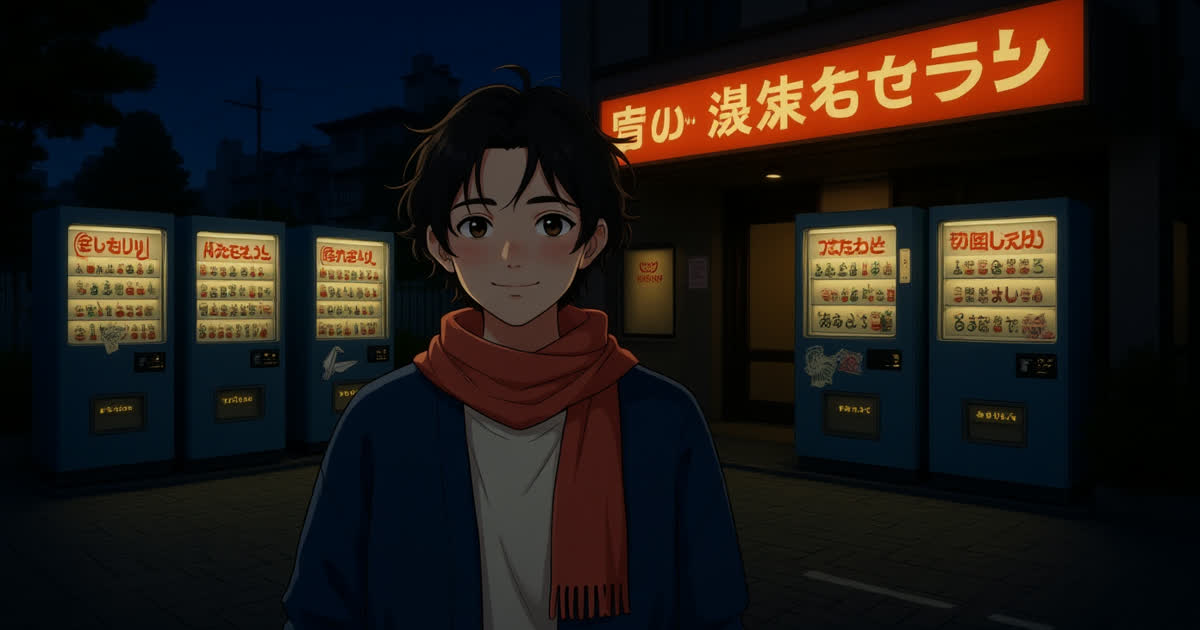

The meter was one number when you sat down. A few minutes later it is ticking faster, and four kanji have lit on the display: 深夜料金 (shin'ya ryōkin). You did not take the long way. The taxi switched to the late-night rate. The reel above is those four characters. This page is when the night rate starts, how much extra it is, and how it is not the expressway toll the driver may also ask about.
What does 深夜料金 mean on a Japanese taxi?
深夜料金 (shin'ya ryōkin) means late-night fare. 深夜 (shin'ya) is late night; 料金 (ryōkin) is the charge. On a taxi meter it is the overnight surcharge, officially 深夜早朝割増 (shin'ya sōchō warimashi, late-night and early-morning extra). The four kanji are the short label printed on the meter and on the fare sticker in the window. When they light, the night rate is already running. It is not a tip, not a booking fee, and not a penalty for a long route. Same taxi, same streets, higher meter.
When does the late-night taxi surcharge start in Japan?
In Tokyo, Osaka, Kyoto, and most of Japan, it runs from 22:00 to 05:00. That is 10 p.m. to 5 a.m., every night, including weekends. A few regions start at 23:00; the meter and the fare sticker in the window are the authority, not a nationwide clock. The window is seven hours because Japanese labour law treats 22:00 to 05:00 as night work, and taxi fares are built to match. If you hail a cab at 21:50, the first minutes are the daytime rate. At 22:00 the meter switches by itself. After 05:00 it switches back. The clock that matters is the one on the meter, not the one on your phone.
How much extra is 深夜料金 on a Japanese taxi?
About 20 percent — 2割増 (ni-wari-mashi). A hop that would be ¥2,000 by day is about ¥2,400 at night. The meter already includes it: there is no second line on a receipt, and you do not pay 20 percent on top of the number you see. The night rate is how fast the meter ticks — shorter distance steps, faster time steps in traffic — so the display is the whole fare. Tokyo's 23 wards still use this 20 percent after the April 2026 fare revision. Airport flat fares print a separate night price instead of multiplying the day number; Narita and Haneda fixed-fare tables list both. Pay the meter when you stop. Most city taxis take cards; if you are carrying no cash, ask whether a card is okay before you ride.
How is 深夜料金 different from an expressway toll?
They are two different extras, and a night airport run can hit both. 深夜料金 is a 20 percent bump on the meter between 22:00 and 05:00. 高速料金 (kōsoku ryōkin) is the expressway toll, a separate road fee the passenger pays on top of whatever the meter shows. The toll is not multiplied by 20 percent. The driver asks 高速、使いますか — "shall I take the expressway?" — because you pay the booth, not because they keep it. Say はい、お願いします (hai, onegai shimasu) for the ramp, or 下道でお願いします (shitamichi de onegai shimasu) for surface streets. At night on empty roads, surface streets are often the cheaper total even with the night meter running.
How do you ask how much the late-night rate is in Japanese?
Ask 深夜料金はいくらですか? (shin'ya ryōkin wa ikura desu ka?), "how much is the late-night rate?" That is the sentence in the reel. Pair it with すみません (sumimasen) at the door, before you sit: すみません、深夜料金はいくらですか? The usual reply is 2割増です (ni-wari-mashi desu), "it's 20 percent extra," or a clock: 10時からです (jū-ji kara desu), "from 10 o'clock." To check whether it has already started, 今は深夜料金ですか? (ima wa shin'ya ryōkin desu ka?), "is it the late-night rate now?" Once you are in, name the stop the usual way: destination plus までお願いします, and do not touch the door — it opens by itself.
Does 深夜料金 also apply at karaoke boxes and net cafes?
Yes, the same four kanji, a different product. Karaoke boxes and net cafes print 深夜料金 on the price board for a higher hourly rate after a cutoff hour the shop sets — often 22:00 or 23:00, later on Friday and Saturday. It is not 20 percent on a meter. It is a new column: the cheap daytime number, and the フリータイム (furī taimu, free-time) deal, quietly stop applying. Read the board before you sit. If the night column is blank or in kanji you cannot parse, ask the same sentence: 深夜料金はいくらですか? A karaoke night that looked cheap at 21:00 can cost a lot more after the cutoff, which is why the reel puts those four characters on more than a taxi meter.
What happens if your taxi ride crosses 10 p.m.?
The meter switches when the clock hits 22:00, mid-ride. The distance you already covered stays at the daytime rate; everything after that ticks at 20 percent extra. You will not get a warning. The display just moves faster. The same thing in reverse at 05:00: the night rate drops off for the remaining stretch. If you are leaving a bar at 21:40 and the hotel is twenty minutes away, the last minutes are already on the night tariff. If you missed the last train, you are already inside the window — Tokyo's 終電 (shūden) is gone around midnight, and the taxi that replaces it is a night taxi by definition.
Treat 深夜料金 as a clock, not a scam. From 22:00 to 05:00 the meter is allowed to run 20 percent higher, and the four kanji on the display are how it tells you. Ask 深夜料金はいくらですか? before you get in if you want the number out loud. Keep the expressway question separate: that toll is extra, not a second night rate. If you would rather not ride at all, the cheaper night options are a capsule hotel, a karaoke box you have already priced, or waiting out the hours until the first train — just read the board so the same four kanji do not surprise you twice.