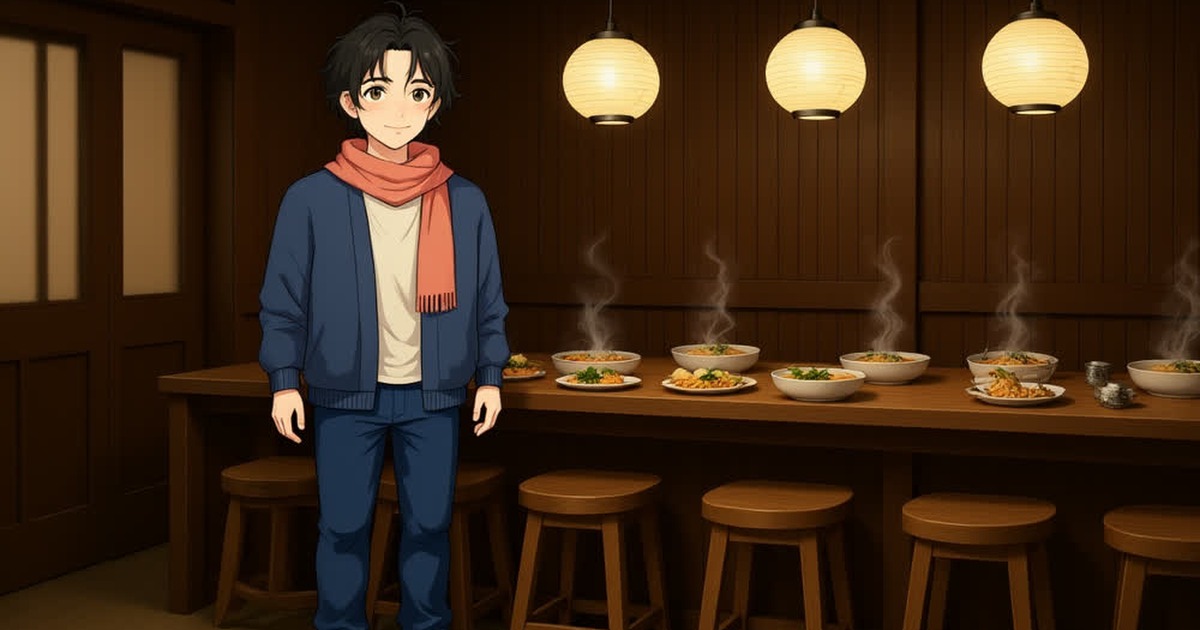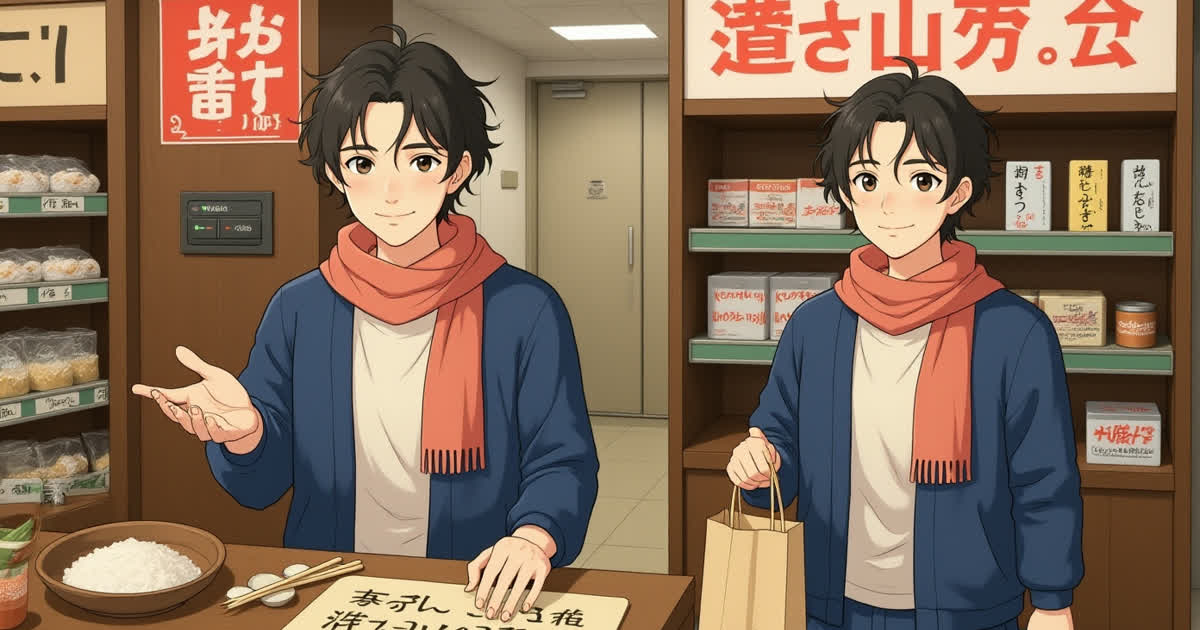
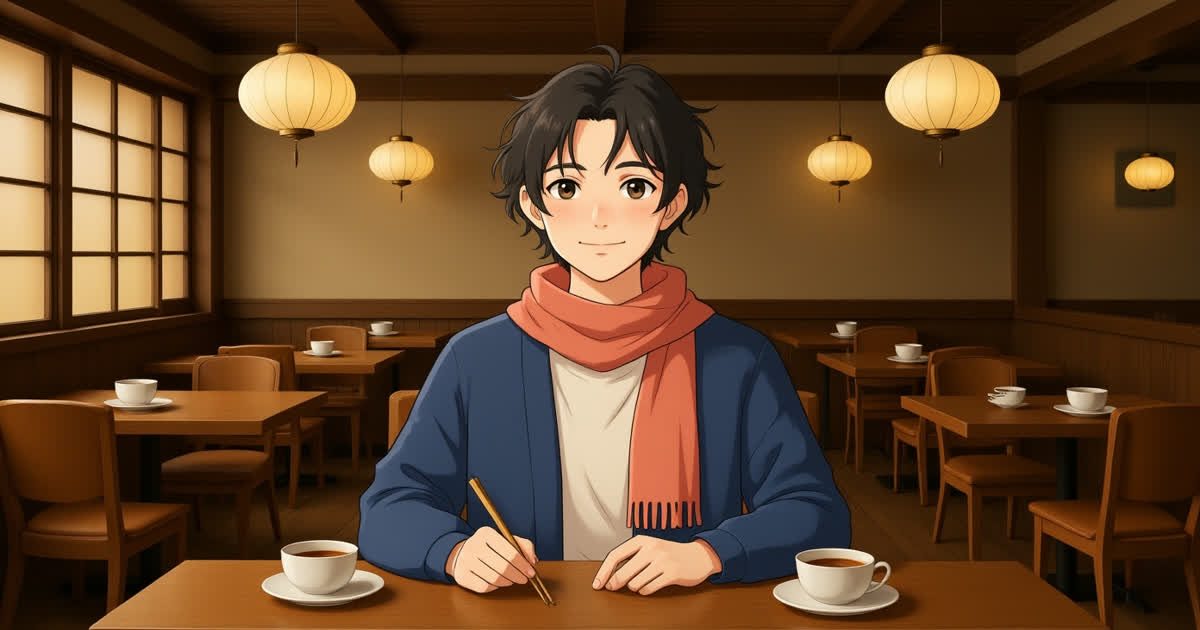
The host said three words and left the entrance. The reel above, published 24 September 2026, is that moment: the host is already walking, and the empty table is the one they are walking toward. This page is the phrase, the move it asks for, and the lines you use if you lose them in the aisle.
What does こちらへどうぞ mean at a Japanese restaurant?
こちらへどうぞ (kochira e dōzo) means "this way, please." It is an instruction to move, not a greeting and not a question. こちら (kochira) is the polite word for "this direction" or "over here." Friends use the plain form こっち (kocchi). Staff do not use こっち with a guest. へ is the particle for "toward." It is written with the he hiragana, and as a particle it is pronounced "e," which is why the romaji is "e" and not "he." どうぞ (dōzo) means "please" or "go ahead." Together, the host has turned toward the dining room and is telling you to come along. A short はい (hai, "yes") is enough of an answer. Add お願いします (onegai shimasu, "please") if you want it warmer. Then walk. The phrase is the whole seating instruction. Waiting for a second, clearer line is how people miss the table.
What do you do when the host says こちらへどうぞ and walks off?
Follow them. They are not leaving you behind. They are leading you, and in a busy restaurant they start moving as they say the line. Stay one or two steps back, close enough to see which turn they take. Many rooms split into a counter, low tables, and a raised tatami room, and the wrong turn belongs to another party. They will stop, often with a hand toward one chair, and they may say どうぞ (dōzo) again. That second どうぞ means "this seat." Sit. If the place asks you to take your shoes off on the way, that is a different sentence. 靴は下駄箱へどうぞ (kutsu wa getabako e dōzo) is the shoe-cabinet line, and it uses the same へどうぞ ending for your shoes rather than your body. Do the shoes, then catch back up. If someone in your group is still outside, say あと一人来ます (ato hitori kimasu), "one more person is coming," before the host seats only half of you.
How is こちらへどうぞ different from こちらです?
こちらです (kochira desu) means "it is this one" or "here it is." Staff say it while pointing at a chair, a form, a ticket, or a cup. You are already standing at the thing. You do not have to walk down a hall. こちらへどうぞ has へ (e) in it, and that particle is the difference: movement toward a place you have not reached yet. You will also hear the words flipped, どうぞこちらへ (dōzo kochira e), and it means the same walk. A different どうぞ is the one in はい、どうぞ (hai, dōzo), "here you go," used when someone hands you an object. お先にどうぞ (o-saki ni dōzo) is "after you," used when a person yields a path. The last word is the same. The action is different. At the restaurant door, the へ is what tells you to leave the entrance.
What does お客様、こちらへどうぞ add?
お客様、こちらへどうぞ (okyaku-sama, kochira e dōzo) puts "honored guest" at the front. 客 (kyaku) is a guest or a customer. 様 (sama) is the polite suffix, and the お in front is an honorific. The seating instruction does not change. The host is still asking you to follow. You may also hear ご案内いたします (go-annai itashimasu), "I will show you the way," or the fuller お席へご案内いたします (o-seki e go-annai itashimasu), "I will show you to your seat." 席 (seki) is the seat. 案内 (annai) is the guiding. いたします (itashimasu) is the humble word for "do," which is why staff use it about their own walking. A shorter ご案内します (go-annai shimasu) means the same walk. You do not need a speech in return. Follow, and sit where the hand points.
Where else will staff say こちらへどうぞ?
The same three words show up anywhere a person is about to lead you. A clinic desk may say it and walk you to a chair. A hotel desk may say it on the way to the elevator or a second building. A shop clerk may say it toward a fitting room or the tax-free counter. A station attendant may say it toward the right platform gate. The meaning does not shift. "This way" plus "please move." What changes is the room at the end of the walk. At a restaurant the room at the end is your table, and standing still leaves that table with the host. At a clinic the cost is standing in the entry while your name is called somewhere you cannot see. Listen for こちら (kochira) and for a body that has already turned. If they have turned, the sentence is over and the walk has started. Once you are in the seat, ordering is a separate problem. How to order at a Japanese izakaya covers the tablet, the QR code, and the call button.
What do you say if you lose sight of the host?
Stop and ask. The short line is すみません、どの席ですか? (sumimasen, dono seki desu ka), "excuse me, which seat is it?" どの (dono) means "which." 席 (seki) is the seat. If you lost the person rather than the chair, use すみません、どちらですか? (sumimasen, dochira desu ka), "excuse me, which way?" どちら (dochira) is the polite "which direction," and it pairs with こちら. すみません (sumimasen) is the right opener. Here it means "excuse me," not a deep apology. If the aisle was loud and you did not catch the words, すみません、もう一度お願いします (sumimasen, mō ichido onegai shimasu) asks them to say it once more. Pointing at yourself, then down the room, also works. Do not stay at the entrance hoping they circle back. In a full restaurant the empty table does not stay empty while you hesitate, because the host was holding it by walking you there.
Three lines cover the door. こちらへどうぞ (kochira e dōzo) means follow, and the へ (e) is the part that means movement. こちらです (kochira desu) means you are already at the thing they are pointing at. If the host disappears around a corner, すみません、どの席ですか? (sumimasen, dono seki desu ka) is how you ask which seat is yours. The reel is the three words. Your move is to walk.