
If you remember only one Japanese word before your trip, make it this one. Sumimasen is the word locals reach for dozens of times a day, and it does the work of three English phrases at once. Here's exactly what it means and how to use it like a local.
What does sumimasen mean?
Sumimasen most often means "excuse me" or "sorry," but it also stretches to a polite "thank you" when someone has gone out of their way for you. That flexibility is what makes it the highest-value word a traveler can carry: a single word lets you get attention, apologize for a small slip, and acknowledge someone's kindness. You'll hear it everywhere — in shops, on trains, in restaurants — and using it yourself instantly signals that you're being considerate.
When do you use sumimasen in Japan?
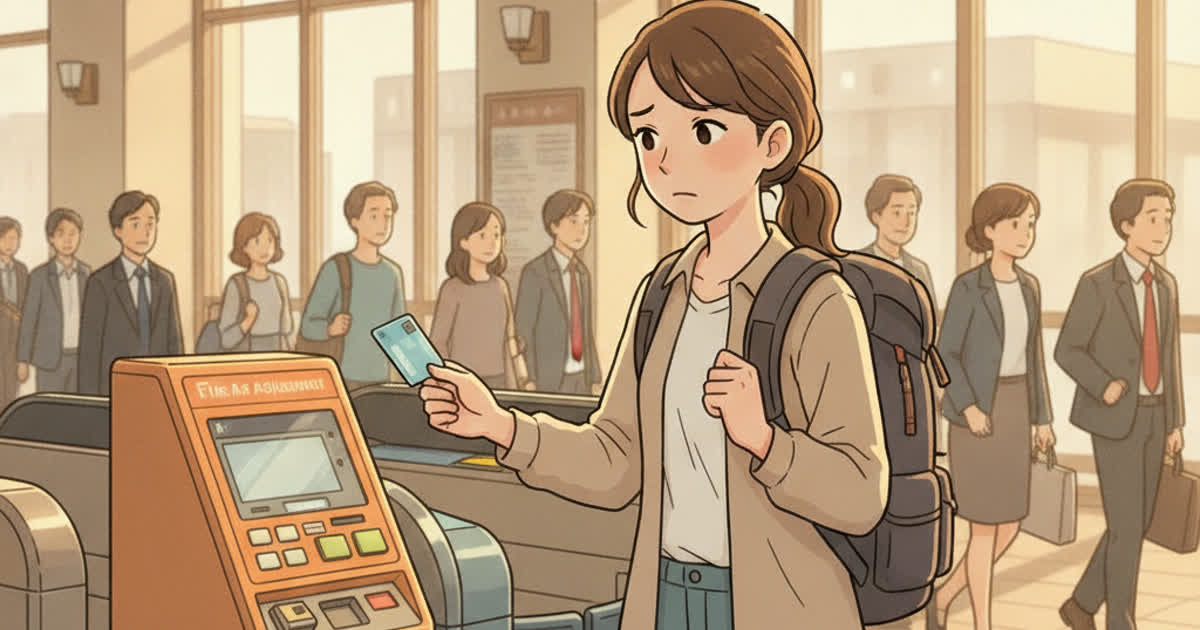
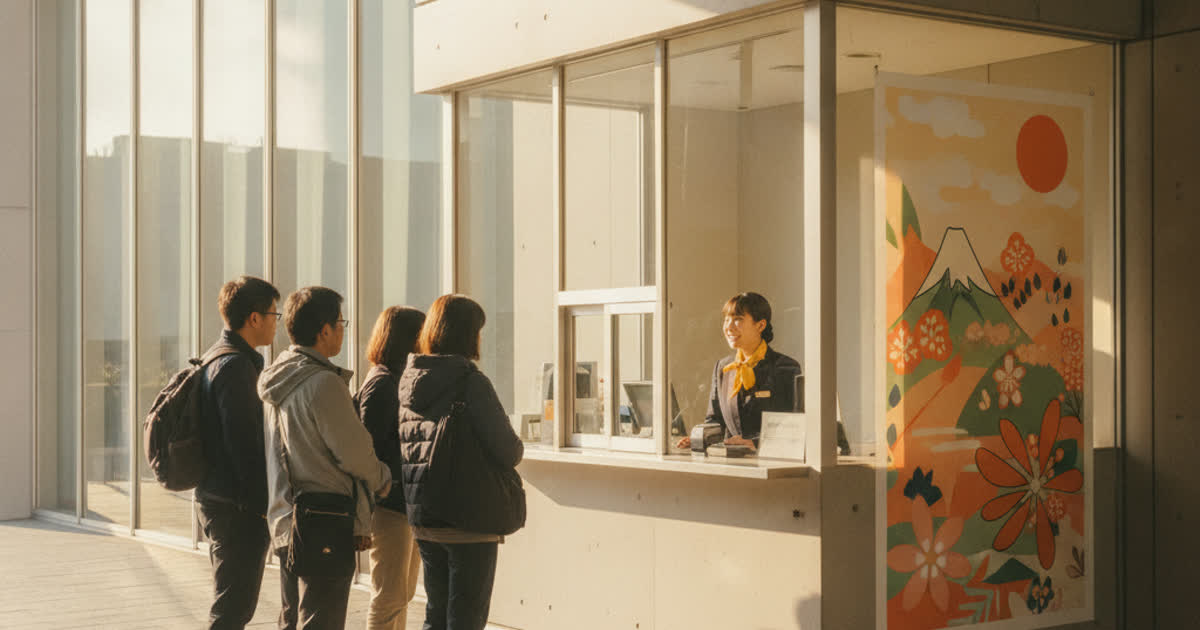
The honest answer is: constantly. Use sumimasen to call a server or shop clerk over, to slip past people on a packed train or sidewalk, to flag a stranger before you ask a question, and to apologize for a small bump or interruption. Lead almost any request with it and a small nod, and you'll come across as polite rather than pushy. It's the natural opener for nearly every interaction — think of it as the Japanese equivalent of clearing your throat politely before you speak.
Does sumimasen mean "excuse me" or "sorry"?
Both — and context decides which. Said before you ask something or move past someone, it lands as "excuse me." Said after a small mistake or bump, it becomes "sorry." It's a light, everyday apology rather than a heartfelt one, which is exactly why it fits the constant tiny courtesies of moving through a busy city. You don't need to agonize over which meaning you intend; the situation makes it clear and people understand instantly.
How do you pronounce sumimasen?
Say it "sue-mee-mah-sen" — four even syllables with no strong stress on any one of them. Japanese vowels stay clean and flat, so resist the English habit of emphasizing a syllable. In quick, casual speech you'll often hear it shrink toward "suimasen," dropping the first "m" sound; both versions are perfectly fine and understood. Practice it out loud a few times and it'll roll off naturally. You can hear it spoken at a natural pace across all the travel reels.
What's the difference between sumimasen and gomennasai?
Sumimasen is the polite, all-purpose "excuse me / sorry" you use with strangers, staff, and in public. Gomennasai (and the casual gomen) is a more personal "I'm sorry" you'd use with friends or for an actual mistake you feel bad about. For tourist situations — getting attention, squeezing past, minor bumps — sumimasen is almost always the better, safer choice. Save gomennasai for when you genuinely need to apologize to someone you know.
Can sumimasen mean thank you?
Yes, and this surprises a lot of learners. When someone holds a door for you, picks up something you dropped, or goes to real trouble on your behalf, "sumimasen" carries the sense of "thank you — and sorry for the bother." It's a uniquely Japanese blend of gratitude and humility. If that nuance feels like a lot to track, don't worry: a warm "arigatō gozaimasu" (thank you very much) is never wrong, and you can learn it alongside the other essentials in the three words every traveler should know.
How do you ask for help after saying sumimasen?
Sumimasen opens the door — then you add a few words to make the actual request. Try "sumimasen, toire wa doko desu ka?" (excuse me, where is the bathroom?), "sumimasen, eigo no menyū wa arimasu ka?" (do you have an English menu?), or simply "sumimasen" plus pointing at what you need. The pattern for asking where anything is — "___ wa doko desu ka?" — is so useful it gets its own walkthrough in our guide to asking for directions in Japanese.