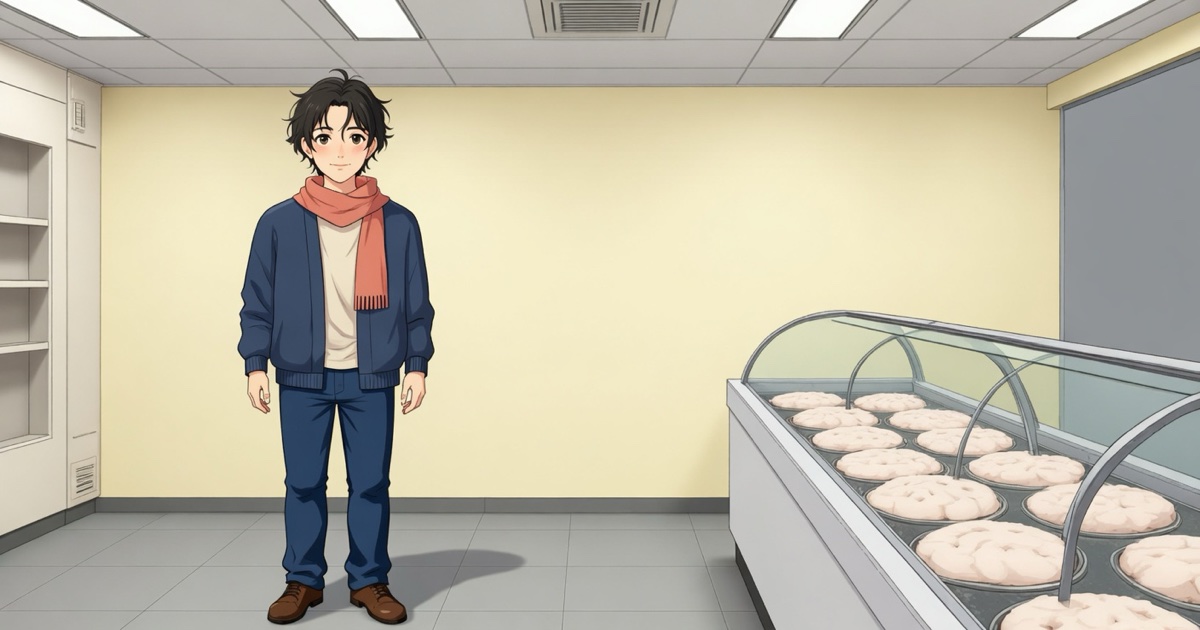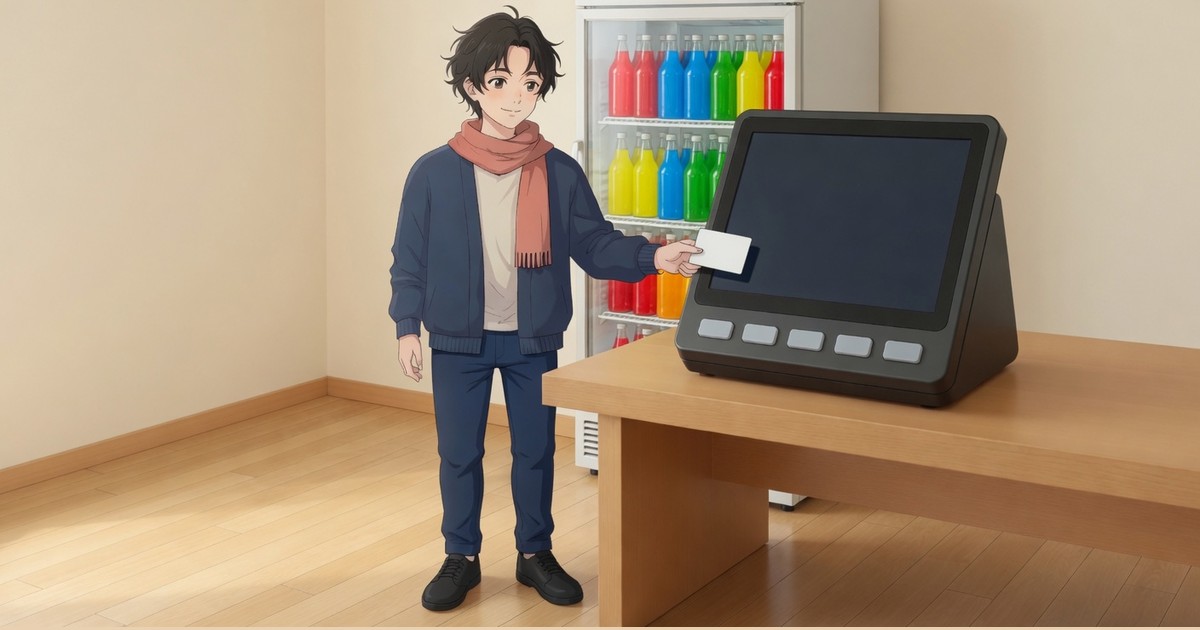
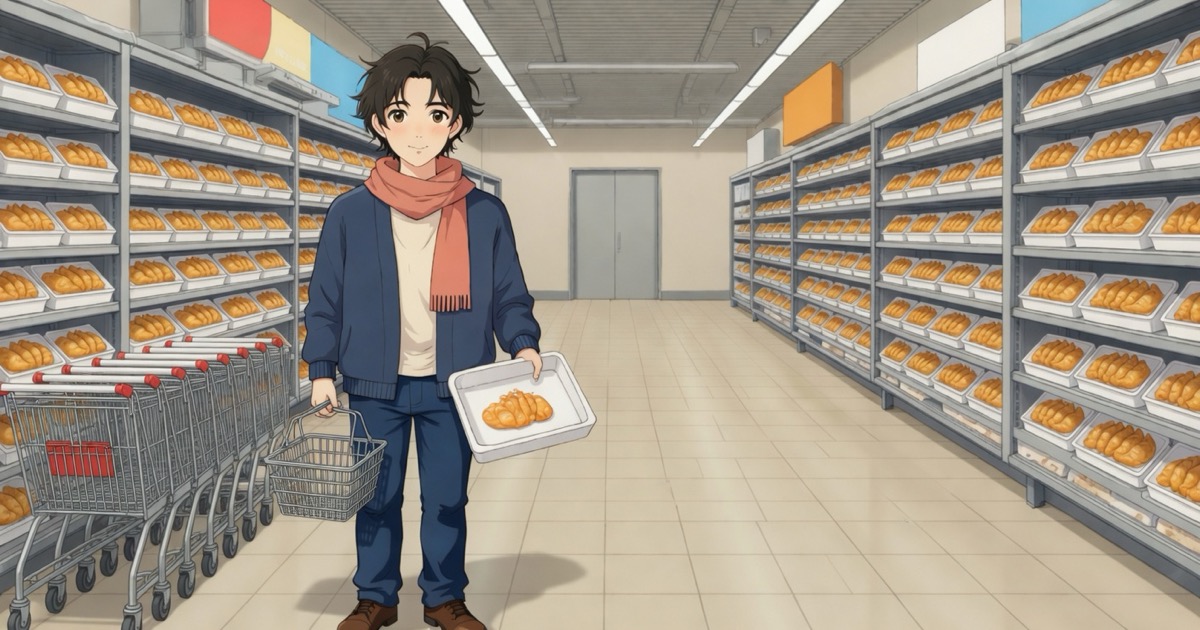
The reel above, published 18 October 2026, is the corner of a cold pack. The printed line is 加熱してください。 This page is that request: what the words ask you to do, how the back of a frozen pack splits two heat lines, and why the clerk's offer to warm a finished box is a different moment.
What does 加熱してください mean on a Japanese food pack?
加熱してください (kanetsu shite kudasai) means please apply heat to this. Shogakukan's Digital Daijisen, on Kotobank, checked 23 October 2026, reads 加熱 as か‐ねつ and defines it as adding heat to a thing. The entry marks the word as a noun you can use as a verb with する (suru). Its sample is 加熱して殺菌する (kanetsu shite sakkin suru), apply heat and sterilize. On a food pack the same verb takes the polite request してください. A tray of gyoza or a bag of dumplings can carry that request on the corner. The food is not in its eating state yet. The same sound, 過熱 (kanetsu), is a different word. Daijisen's headword there is か‐ねつ〔クワ‐〕, and the first sense is becoming hotter than it should. The pack prints 加, the kanji for adding, not 過, the kanji for going past a limit.
How do you pronounce 加熱してください?
Say ka-ne-tsu shi-te ku-da-sa-i, nine beats: か, ね, つ, し, て, く, だ, さ, い. 加 is ka, a short か, not ga. 熱 is netsu: ね, then a short つ. None of those vowels is long. The bracket on the lookalike 過熱 is the old spelling クワ. Say ka. There is no w. して is the te-form of する, two beats, shi then te. The い in し is often a whisper, and it still counts as a beat. ください keeps the final い. There is no か on the end. The line is a request, not a question. The reel's second line, これを加熱してください (kore o kanetsu shite kudasai), adds three beats in front: ko, re, o. を is o. That one means please heat this one.
How is 加熱してください different from 温めますか?
温めますか (atatamemasu ka?) is the clerk offering to warm something that is already food. Shall I warm this? A finished bentō can go in the shop microwave, and you can refuse. The cashier page is that refusal. A bare いいです (ii desu) after 温めますか leaves the box cold, and the meal was made so that cold is still a meal. 加熱してください is printed. No one is waiting for はい (hai) or いいです. You already paid, and the pack looks closed. The corner says the eating step is still ahead. Warming a cooked lunch is comfort. Heating this pack is the step the label asked for. Do that step, or wait until you can.
What do 加熱してあります and 加熱してありません mean on the back?
加熱してあります means the food was heated immediately before it was frozen. 加熱してありません means that last-step heat did not happen, and that can mean no heating at all. The Japan Frozen Food Association's 冷食オンライン column of 28 August 2025, still that page on 23 October 2026, describes the two fields on the back. 加熱調理の必要性 (kanetsu chōri no hitsuyōsei) says whether you heat the food before you eat. One wording is 加熱してお召し上がりください (kanetsu shite o-meshiagari kudasai), please heat it and then eat. Another is 解凍してそのままお召し上がりいただけます (kaitō shite sono mama o-meshiagari itadakemasu), you can thaw it and eat it as it is. 凍結前加熱の有無 (tōketsu-mae kanetsu no umu) is the field on packs you heat before eating. The association says the Food Sanitation Act requires it, and that it records the heat right before the freeze. 加熱してあります (kanetsu shite arimasu) means the food was fried, or cooked in a pan, in that moment. The column says eating that pack as it is does not taste good, so heat it the way the label says. 加熱してありません (kanetsu shite arimasen) is easy to misread as never heated. The column says some of those packs really were never heated, and some were. Its examples include vegetables given a short preparatory heating, called blanching, to keep the color, and foods such as okonomiyaki or yakitori that were cooked, then sauced or cooled, before the freeze. A pack that says そのままお召し上がりください (sono mama o-meshiagari kudasai) has no 凍結前加熱 field. In every case the column's last line is the same: follow the cooking method on that package.
How do you heat the pack once you have read the line?
Follow the method printed on the pack you are holding. Brands do not share one time. Ajinomoto Frozen Foods' page for レンジでギョーザ, checked 23 October 2026, says its product information is current as of August 2026, and that a revised pack in your hand can differ from the site. The method there is: take the frozen gyoza out of the bag, leave the plastic wrap off, put the pieces in the microwave, and 加熱してください. At 500W the page lists about 1 minute 50 seconds for 5 pieces and about 3 minutes 20 seconds for 10. At 600W it lists about 1 minute 30 seconds for 5 and about 2 minutes 50 seconds for 10. If a piece is still cold, add 10 seconds at a time. The same page says extra heat lowers the quality, and that this product comes with no sauce. Your pack may name a fry pan, a boil, or a different wattage. Use the numbers on your pack. A time from a different box is the wrong time. The corner means the food is not ready. Heat it, then eat.
How is this different from the hot-case bun and the date stamp?
The hot case has already done the heating. The pork-bun page is 肉まんでお願いします (nikuman de onegai shimasu), the steamed bun behind the glass. That bun does not carry 加熱してください. The shop heated it before you pointed. A cold pack in the freezer row is the other purchase. The expiry-date guide reads the other corner, 消費期限 (shōhi kigen) and 賞味期限 (shōmi kigen). Those stamps say how long the food keeps. They do not say to apply heat. The konbini phrase guide covers the counter: the bag, the chopsticks, and the offer to warm a finished box. This page is the sentence printed before you reached that counter. The reel was published 18 October 2026.
加熱してください。 means please apply heat to this. The pack is not ready until you follow the method on the back. The short reel is the line from the corner.