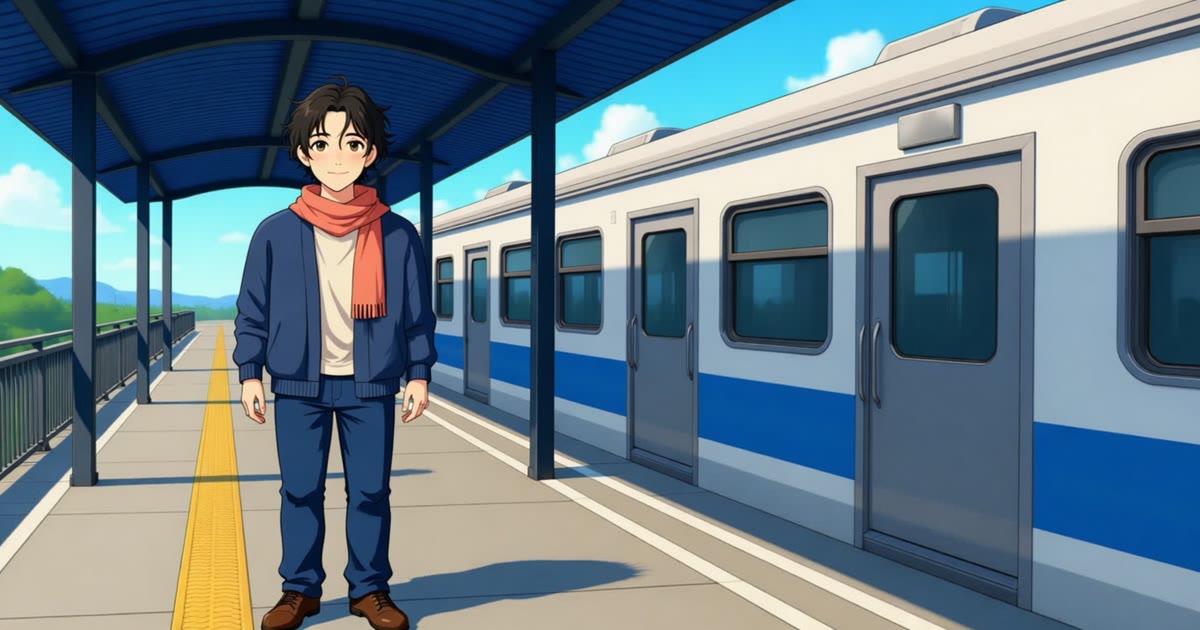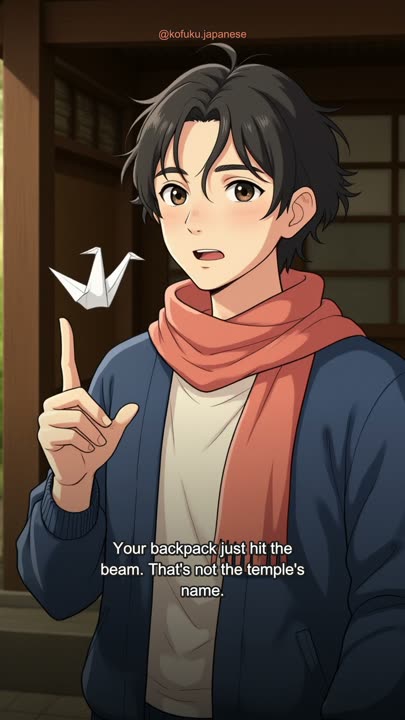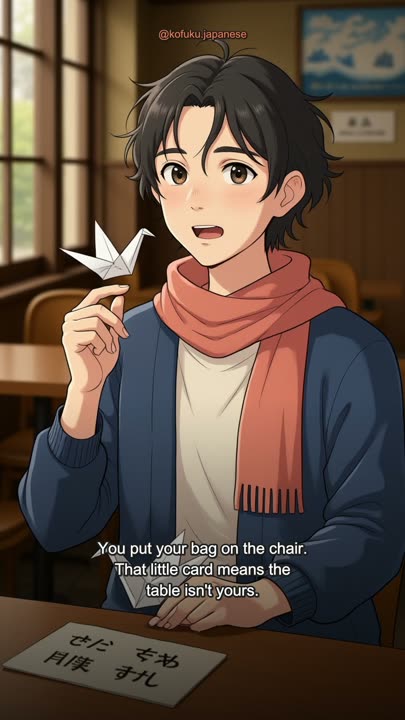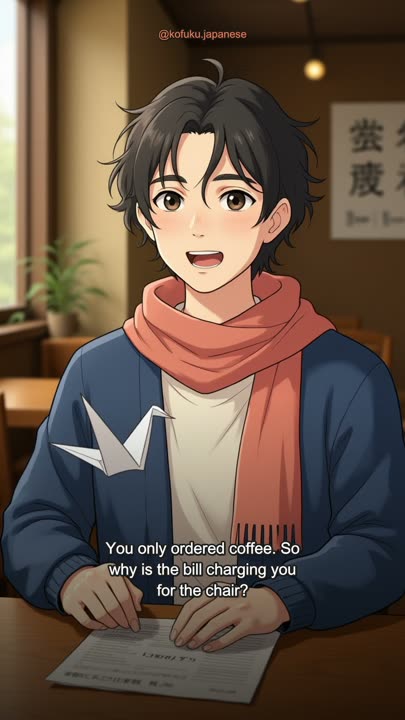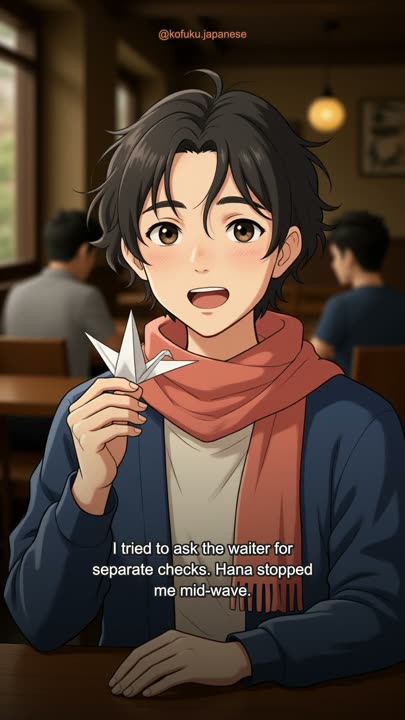
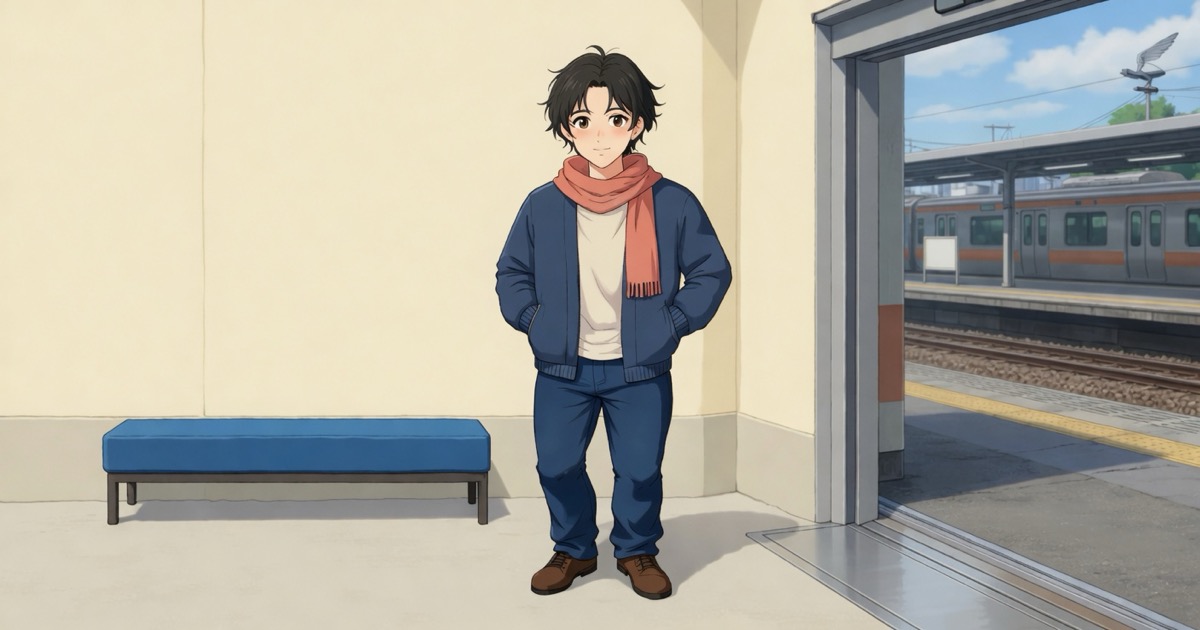
The doors in the reel above, published 14 October 2026, open onto the step. 足元にご注意ください (ashimoto ni go-chūi kudasai) means please watch your step. The speaker is talking about your footing. The bag at your feet is not the subject.
What does 足元にご注意ください mean on a Japanese train?
足元にご注意ください (ashimoto ni go-chūi kudasai) means please watch your step. 足元 (ashimoto) is the place your foot meets the ground, and the space around that place. Shogakukan's Digital Daijisen, on Kotobank, checked 15 October 2026, gives that as the first sense: the spot where the foot is on the ground, and the area around it. The dictionary's example is 暗いから足元に注意して下さい (kurai kara ashimoto ni chūi shite kudasai), watch your step because it is dark. に (ni) marks the spot the warning is about. 注意 (chūi), in Daijisen's second sense, checked the same day, is guarding so that something bad does not happen. ご (go) is the polite prefix on that word. ください (kudasai) turns it into a request: please. On a train the line plays as the doors open, on the platform and in the car. You look down before you step. A sign aimed the other way, 頭上にご注意ください (zujō ni go-chūi kudasai), is the same request pointed overhead. 頭上 (zujō) is above your head. This page is the line aimed at your feet. The reel's line is 足元にご注意ください。
How do you pronounce 足元にご注意ください?
Say a-shi-mo-to ni go-chū-i ku-da-sa-i, thirteen beats: あ, し, も, と, に, ご, ちゅ, う, い, く, だ, さ, い. Daijisen's reading of 足元 is あしもと. Every vowel there is short. The o in もと is one beat: mo, then a separate to. Lengthen that o and the word no longer matches the dictionary reading. 足 on its own can be read soku. In this word it is ashi. 元 on its own can be read gen. Here it is moto. 注意 is chūi, three beats: ちゅ, う, い. Daijisen's reading is ちゅうい. The う is its own beat. It holds the u. Drop that beat and the word is shorter than the dictionary reading. ご is one short beat, the polite prefix. ください is four short beats, and the last い is a full beat. Keep it. The reel says those thirteen beats as one request.
What do you do when the doors open?
Look down, then step. Your shoe, a stroller wheel, and a suitcase wheel all have to clear the place your foot will land. The call is that moment. You do not answer the speaker. Put your eyes on the floor, and step when the footing is clear. If the car floor and the platform are not level, lift the suitcase instead of rolling the wheel across. Then walk clear of the doorway so the next person can cross. A later chime, ドアが閉まります (doa ga shimarimasu), means those doors are about to shut. That is the door-chime reel. This page is the open door and the step under it. The closing chime is a different sentence, about the doors, not about the ground.
Does 足元にご注意ください mean mind the gap?
No. The words do not name a gap. A gap is 隙間 (sukima). A change in floor height is 段差 (dansa). Neither word is in this line. 足元 names the ground under your foot. People look down because that step can hide a gap or a higher platform, and the look is what the warning asks for. When a station adds a second sentence, that sentence is the one that names the open space between the train and the platform. 足元にご注意ください is the request after it, or the request on its own. Hear 足元 and look at where the shoe will land. The gap is a reason the step needs that look. It is not the word the speaker said.
How is this different from the yellow-line call?
The yellow-line page is a different moment. 黄色い線までお下がりください (kiiroi sen made osagari kudasai) means please step back to the yellow line. It plays while the train is coming into the platform, before the doors open. You step back, and your bag and a selfie stick come with you. 足元にご注意ください plays when you are stepping across, as the doors open. One call moves you back from the edge. This call points your eyes at the step. A train that will pass through without stopping is a third call, built on お下がりください (osagari kudasai) and 通過 (tsūka). The yellow-line page is that step back. This page starts when the doors are open and your foot is about to move.
Were they talking about your bag?
No. The reel starts by correcting that guess. They were not talking about your bag. 足元 can be the patch of floor beside your shoe, which is why the ear jumps to luggage sitting there. Daijisen's first sense is still the ground and the area around the foot, and the warning uses that sense. The suitcase in the doorway matters because the wheel is on the step, not because the speaker is warning you about a theft or about the rack. Where you set a bag once you are aboard, at your feet or up on the rack, is a manners choice. This announcement is not that choice. It is the step. A wheel on the threshold is part of the footing. A bag already parked by your seat is not what the speaker named.
Where else will you hear 足元にご注意ください?
The same line plays at a bus door, at the landing of an escalator, and where a floor is wet. The words stay please watch your step. The escalator guide is the stripe on the step and the side you stand on. Some written signs add お and say お足元にご注意ください (o-ashimoto ni go-chūi kudasai). WURK's page on 足元 and 足下, checked 15 October 2026, calls that pair a doubled honorific, because お and ご are both polite prefixes on one request. The form it gives to use is 足元にご注意ください. The other form it allows is お足元に注意してください (o-ashimoto ni chūi shite kudasai), with the ご left off. The announcement in the reel is the first of those two. To a friend, drop the station style and say 足元に気をつけて (ashimoto ni ki o tsukete). 気をつけて (ki o tsukete) means be careful. You write を and you say o.
足元にご注意ください means please watch your step. On a train it is the footing call when the doors open. The yellow line is the step back, before the train is in front of you. Your bag is not the subject, and the gap is not the word in the line.